
Affordable Waste Removal USA Services for Homes, Businesses, and Job Sites
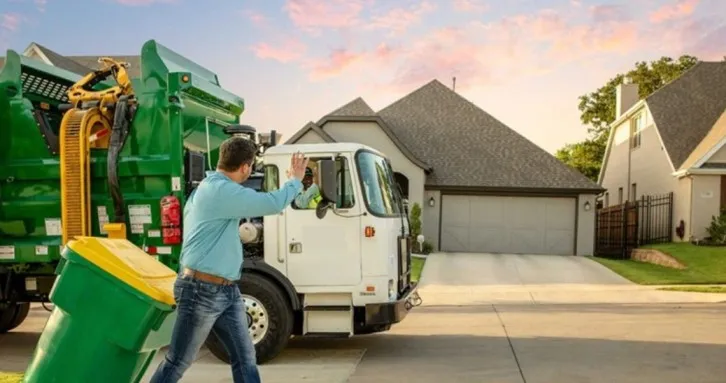
Clearing unwanted material should not become an expensive or confusing project. Waste Removal USA connects customers with practical disposal solutions for cleanouts, renovations, businesses, and construction sites. The right service combines fair pricing, safe handling, dependable scheduling, and responsible disposal. However, the lowest quote rarely delivers the best overall value. Customers should compare weight limits, rental periods, prohibited items, and pickup terms before booking.
Why Affordable Waste Removal Involves More Than Price
Waste removal costs depend on volume, weight, location, and material type. Concrete, roofing shingles, soil, and drywall can exhaust weight allowances quickly. Meanwhile, furniture and packaging may consume more space without creating the same load.
Local disposal rates also affect pricing. Additionally, fuel, permit, and access costs can change the final bill. A container placed on public property may require municipal approval. Therefore, customers should discuss placement before delivery.
A reliable provider explains the complete pricing structure in writing. Clear estimates reduce surprises and support better comparisons. A higher base rate may include extra weight or longer rental time. As a result, that option may cost less after the project ends.
Waste Removal USA Solutions for Different Projects
No single removal method fits every cleanup. Homeowners, contractors, property managers, and business owners face different demands. Consequently, the service should match the debris, schedule, access, and available labor.
Residential Cleanouts and Moving Projects
Residential cleanouts often include furniture, boxes, appliances, yard debris, and general household clutter. For smaller jobs, full-service hauling may provide the easiest solution. A crew loads the material and removes everything during one visit.
However, larger cleanouts often benefit from a temporary dumpster. Customers can work gradually and sort items with greater care. This approach suits moves, estate cleanouts, garage projects, and downsizing.
Before loading, separate donations from disposable material. Usable furniture, tools, and household goods may help local charities. Meanwhile, cardboard, metal, and selected plastics may qualify for recycling. Careful sorting can reduce disposal volume and protect the budget.
Construction and Renovation Debris
Construction sites produce dense and irregular waste. Typical loads include lumber, drywall, flooring, roofing, concrete, brick, and packaging. Therefore, contractors need containers designed for heavy debris and active job sites.
Container placement deserves careful planning. The delivery area needs firm ground, clear overhead space, and safe truck access. Additionally, workers need a loading route away from pedestrians and finished surfaces.
Material separation can also improve results. Clean wood, metal, concrete, and asphalt may retain reuse or recycling value. The Environmental Protection Agency treats many building materials as recoverable resources. Its construction and demolition materials guidance outlines practical recovery strategies.
Commercial and Property Management Services
Businesses value predictable collection and responsive support. Overflowing waste areas can create safety concerns, complaints, and operational delays. Therefore, commercial service should include dependable windows and clear escalation procedures.
Property managers face sudden debris during tenant turnovers. Abandoned furniture, flooring, mattresses, and fixtures can delay maintenance work. A flexible provider can coordinate service between repair stages. Consequently, units return to service sooner.
How to Compare Waste Removal Quotes
A useful quote should describe exactly what the customer receives. It should list container size, rental period, included weight, delivery, pickup, and disposal charges. Furthermore, it should explain extra-day fees and overweight rates.
Ask whether the estimate includes taxes, fuel surcharges, and environmental charges. Also, confirm the policy for unsuccessful delivery attempts. Locked gates, parked vehicles, soft ground, or overhead wires can prevent placement.
Customers should describe the debris honestly. Misclassifying concrete as household junk can create major overage charges. Similarly, prohibited materials may trigger rejection, sorting, or special handling fees.
Choosing the Correct Container Size
The smallest container may appear economical. However, an undersized unit can require another delivery and disposal cycle. Those extra trips can erase the original savings.
A larger container may offer better value when volume remains uncertain. Still, customers should avoid paying for unused capacity without reason. An experienced representative can recommend a size after reviewing the project.
Debris should remain below the container’s top edge. Overfilled boxes may become unsafe during transport. Consequently, drivers can require material removal before pickup.
Heavy materials need special attention. Concrete, dirt, brick, and asphalt can exceed safe limits before a container looks full. Therefore, providers may restrict them to smaller boxes or partial loads.
Safe Handling of Restricted Materials
Standard containers cannot accept every item. Paint, solvents, pesticides, fuels, batteries, chemicals, and some electronics require special handling. These products can leak, ignite, react, or create transport hazards. EPA guidance recommends following product labels and using approved disposal channels.
Customers should never hide restricted items beneath ordinary debris. Instead, ask the provider about local collection programs or approved facilities. Additionally, some retailers accept batteries, electronics, tires, or appliances.
Commercial generators may face stricter duties. Waste identification, storage, documentation, transport, and final treatment can follow federal or state rules. EPA describes regulated hazardous waste management as a cradle-to-grave system.
Practical Ways to Lower Removal Costs
Planning usually saves more money than aggressive price shopping. First, identify the waste stream before requesting estimates. Then assess volume, weight, access, and project duration.
Schedule delivery after the site becomes ready. An unused container consumes rental days without advancing the work. Meanwhile, delayed pickup can create extra charges and block valuable space.
Break down bulky items when safe. Flattened boxes and disassembled shelving use container capacity efficiently. However, avoid crushing materials that require separate handling.
Keep clean recyclables apart from mixed debris. Metal often retains recovery value. Concrete and asphalt may also enter secondary material markets. EPA data shows substantial construction debris already enters aggregate and manufactured product streams.
Finally, coordinate loading among workers. A clear plan reduces contamination and uneven weight distribution. As a result, the container remains safer and easier to transport.
Service Quality Signals Worth Paying For
Professional waste removal begins with responsive communication. Customers should receive clear arrival windows, written terms, and realistic placement guidance. Additionally, drivers should protect property and follow site instructions.
Insurance, licensing, and disposal practices also matter. Requirements vary by location and waste type. Therefore, customers should verify that the provider can legally transport the planned materials.
A Smarter Approach to Affordable Waste Removal
Affordable disposal begins with accurate information and thoughtful planning. Customers should match the service to the project and compare complete quotes. They should also confirm restrictions, placement, loading rules, and pickup timing.
Waste Removal USA services can support projects ranging from garage cleanouts to major construction work. The strongest choice balances price, reliability, safety, and responsible material handling. Therefore, customers should evaluate total value rather than chase the lowest headline rate.
A well-managed service keeps sites cleaner, protects schedules, and prevents avoidable fees. More importantly, it turns waste handling into a controlled process. That approach saves time, reduces risk, and delivers better results nationwide.