
How Industrial Facilities Can Build a Practical Maintenance Plan
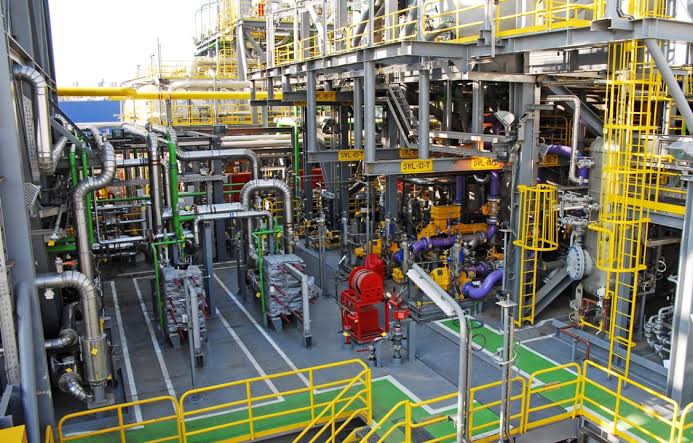
Industrial maintenance planning is not simply a calendar of inspections. It is a practical system for deciding which assets need attention, what work should be completed, and how the facility will learn from each repair. For plants that rely on pumps, compressors, blowers, motors, and related systems, working with an experienced equipment and service partner such as C&B Equipment can also support better decisions about repair, replacement, and ongoing equipment care.
In 2026, maintenance teams are often expected to protect uptime while balancing limited labor, aging equipment, shifting production demands, and parts that may not be immediately available. A useful plan reduces the number of surprises by giving technicians clear priorities, repeatable inspection routes, and enough information to act before a minor concern becomes a major outage.
Why Maintenance Planning Needs a Fresh Look
Reactive work has a place when an unexpected failure creates an immediate risk, but it should not become the default way a facility operates. When every request is treated as urgent, planned tasks are delayed, repair quality can suffer, and recurring issues may never receive a root-cause review. A stronger plan creates protected time for scheduled work and makes it easier for operations and maintenance to agree on appropriate shutdown windows.
Start With a Critical Equipment Review
Begin by building a list of major production assets and support systems. Include equipment whose failure could stop a line, create a safety concern, damage connected equipment, affect product quality, or require a long replacement lead time. The goal is not to create a perfect asset register on day one. It is to identify where maintenance attention has the greatest value.
- List major machines, utilities, and support systems.
- Document what happens if each asset fails.
- Classify each asset as high, medium, or low risk.
- Give high-risk equipment more detailed inspections, records, and spare parts planning.
Build a Maintenance Schedule That Fits the Asset
A single maintenance interval rarely fits every machine. Time-based maintenance may suit equipment with predictable service needs, while usage-based work can be scheduled around operating hours, cycles, or throughput. Condition-based maintenance uses measured changes, such as vibration or temperature, to guide action. Corrective maintenance addresses identified defects that can be safely deferred until a planned repair window.
Set each schedule using the asset’s operating load, lubrication needs, temperature, vibration, pressure, or flow readings, manufacturer guidance, operating environment, and prior repair history. A lightly used standby pump may need a different approach than a process pump that runs continuously under demanding conditions.
Use Condition Checks Before Problems Grow
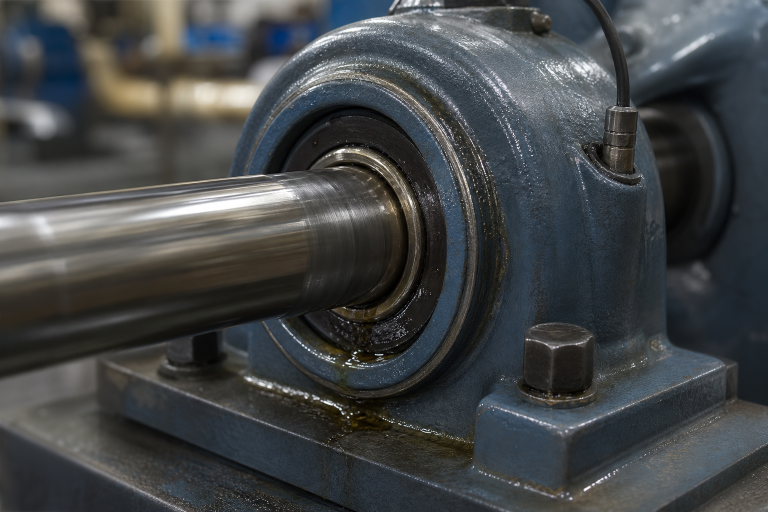
Condition monitoring does not have to start with an advanced sensor program. Technicians and operators can identify useful warning signs through consistent inspection routes that record unusual noise, heat, vibration, leakage, poor output, pressure changes, and higher-than-normal energy use. The value comes from comparing readings and observations over time, not from collecting data that no one reviews.
For example, a pump that begins drawing more power while producing more vibration may have alignment trouble, bearing wear, a developing blockage, or another mechanical issue. The reading does not diagnose the problem on its own, but it gives the team a reason to inspect the asset before a failure disrupts production.
Make Maintenance Records Easy to Use
A repair record should help the next technician understand what happened without relying on memory. Record the asset name and location, date and time, observed symptoms, tests performed, likely cause, parts and tools used, labor time, follow-up work, and relevant photos or readings. Clear notes are especially valuable when a problem repeats months later or when a different shift inherits the work.
Keep Spare Parts Tied to Real Risk
Stocking every possible replacement part ties up capital and creates storage challenges. Stocking too little can turn a manageable repair into an extended outage. Prioritize spares for critical assets, parts with long supplier lead times, items with limited sources, components that have failed before, and parts whose absence would have major production consequences.
A routine spare-parts review should check current quantities, compatibility with installed equipment, storage conditions, past usage, supplier lead times, and emergency purchase history. This review can also reveal obsolete parts that should be removed or replaced with an approved alternative.
Use Digital Tools Without Losing Practical Judgment
Computerized maintenance systems, mobile work orders, sensors, and dashboards can make overdue tasks, repeat failures, and spare availability easier to see. However, technology should strengthen field knowledge rather than replace it. Start with one defined use case, such as reducing late inspections on critical equipment or tracking recurring seal failures, then confirm that the information collected leads to a clear maintenance decision.
Give Maintenance Teams Better Work Priorities
A simple priority structure prevents routine requests from competing with genuine risks. It also helps operations understand why some work must happen immediately, while other work can be scheduled.
- Emergency: Immediate safety, environmental, or production risk.
- Great: A serious concern that could lead to a near-term failure.
- Planned: Work that should be completed during an appropriate operating window.
- Routine: Low-risk inspections, cleaning, adjustments, and housekeeping tasks.
Track Measures That Show Real Progress
Choose measures that lead to action, rather than collecting numbers solely for reporting. Useful examples include planned maintenance percentage, repeat failure rate, unscheduled downtime hours, mean time between failures, mean time to repair, backlog age, emergency parts purchases, and energy use associated with equipment condition. Review the measures regularly with operations so the team can adjust priorities, schedules, and staffing decisions.
Connect Maintenance With Energy and Safety
Maintenance affects more than availability. Poor alignment, worn seals, clogged filters, compressed-air leaks, and inefficient motors can contribute to unnecessary energy use. The U.S. Department of Energy notes that effective operations and maintenance can support reliability, safety, and energy efficiency, which makes energy observations useful during normal inspections.
Safety controls deserve the same discipline. Maintenance procedures should account for guards, controls, emergency systems, and hazardous energy. Before servicing equipment, teams should follow applicable lockout/tagout practices for hazardous energy to prevent unexpected startup or stored energy from exposing workers to preventable harm.
Common Questions About Industrial Maintenance Planning
How Often Should Equipment Be Inspected?
Inspection frequency depends on asset risk, operating conditions, manufacturer guidance, and failure history. Critical equipment may require daily operator checks and scheduled technician inspections, while low-risk equipment may be reviewed weekly or monthly.
Is Preventive Maintenance Better Than Reactive Maintenance?
Preventive maintenance can reduce avoidable failures, but every task should have a purpose. Excessive maintenance can consume labor and introduce errors. Most facilities need a balanced mix of preventive, condition-based, and corrective work.
When Should a Facility Add Sensors?
Add sensors when early warning signs can be measured, the consequences of failure are meaningful, and someone has a defined response to the information. Data without ownership or action rules rarely improves reliability.
A Simple 30-Day Starting Plan
- Days 1 to 5: List critical assets and identify major failure points.
- Days 6 to 10: Review overdue work, repeat failures, and missing spares.
- Days 11 to 15: Create short inspection checklists for high-risk equipment.
- Days 16 to 20: Standardize repair notes and work priorities.
- Days 21 to 25: Select a small set of useful performance measures.
- Days 26 to 30: Review results with operations and revise the schedule.
Conclusion
A practical maintenance plan begins with clear priorities, useful inspections, accurate records, and regular coordination between maintenance and operations. By connecting equipment condition to safety, energy, production, and cost, industrial facilities can make better repair decisions and reduce the likelihood that manageable issues become disruptive failures.