
Before The First Big Storm: Roof And Attic Checklist For Rochester, Minnesota Homeowners
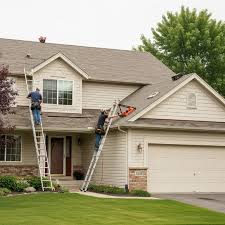
Rochester winters can test every part of a home’s exterior. Before the first major snow event, homeowners should make time for a practical review of their roof and attic. A few simple observations in dry weather can reveal problems that are much harder to address once shingles, gutters, and walkways are covered by ice.
For concerns that need an experienced assessment, Above All Roofing Of Rochester provides Rochester Roofing services for homeowners and commercial properties throughout Rochester and surrounding Minnesota communities. The locally owned company handles roof inspections, repairs, storm and hail damage, attic inspections, maintenance, snow removal, and roof replacement, making it a relevant option when a winter concern goes beyond a basic homeowner check.
Why Winter Roof Prep Matters
Snow does not have to cause a roof problem for winter weather to expose one. Wind can lift already-loose shingles, melting snow can enter open flashing seams, and water that freezes in small gaps can widen them. A missing shingle or damaged vent boot may seem minor in the fall, but it can allow moisture into the roof decking, insulation, or ceilings when conditions turn wet and cold. Completing a basic review before winter helps homeowners schedule repairs while access is safer and materials are easier to inspect.
Start With A Safe Ground-Level Check
A roof inspection does not begin with climbing a ladder. Walk around the property in daylight, use binoculars if needed, and look from upper-floor windows where it is safe to do so. Never step onto a steep, wet, icy, or snow-covered roof.
Signs To Look For
- Missing, curled, cracked, or lifted shingles.
- Uneven roof lines, dips, or visible sagging.
- Loose metal near chimneys, vents, skylights, and valleys.
- Dark areas, exposed underlayment, or piles of shingle granules near downspouts.
- Tree limbs are resting on the roof or rubbing against the roof edges.
Inspect Gutters, Flashing, And Roof Edges
Clear gutters help melting snow move away from the roof edge and foundation. Before freezing weather arrives, remove leaves, twigs, and other debris if the work can be done safely. Check for gutters pulling away from the fascia, rusted sections, loose fasteners, open seams, and downspouts that discharge too close to the home. Also, look closely at flashing where the roof meets a chimney, wall, vent, or skylight. These transitions are common areas for water intrusion when sealants or metal components deteriorate.
Look For Warning Signs In The Attic
The attic can show signs of roof or ventilation trouble before a finished ceiling develops a stain. On a dry day, use a flashlight and look for wet or compressed insulation, water marks on rafters or roof sheathing, musty odors, visible mold, or daylight where the roof should be sealed. Bathroom and kitchen exhaust ducts should terminate outdoors, not in the attic, where warm, moist air can condense on cold surfaces.
Frost on nails or roof sheathing during cold weather can also indicate excess moisture or warm indoor air reaching the attic. The University of Minnesota Extension explains how air sealing, insulation, and attic ventilation relate to ice-dam prevention in its guidance for dealing with and preventing ice dams.
Reduce The Risk Of Ice Dams
An ice dam is a ridge of ice near a roof edge that can block meltwater from draining. When water backs up behind that ridge, it may work beneath shingles and enter the roof assembly. Prevention is usually about managing heat and moisture, not simply removing visible ice.
- Seal major air leaks between the living space and attic.
- Make sure insulation is distributed evenly and is not compressed or displaced.
- Keep gutters and downspouts clear before snow arrives.
- Have attic ventilation evaluated if roof temperatures appear uneven.
- Do not chop at ice with sharp tools that can damage shingles or flashing.
Know When Snow Load Becomes A Concern
The weight of snow depends on its depth and water content, as well as ice buildup, roof shape, and the structure below it. Do not judge roof safety by snow depth alone. New sagging, creaking sounds, cracked drywall, sticking doors, or unusual movement may warrant a prompt professional evaluation. Roof snow removal also involves significant fall hazards and can damage roofing materials when performed improperly.
Check For Wind, Hail, And Water Damage
Summer and fall storms can leave damage that becomes noticeable only after winter moisture arrives. After a significant storm, photograph visible issues from a safe location, note the storm date, and check upper walls, ceilings, and attic areas for new stains. Look for displaced shingles, dented vents or metal flashing, fallen branches, and debris in gutters. Review insurance coverage before approving major work, especially when storm damage may be involved.
Decide Between Repair And Replacement
A repair may be appropriate when damage is isolated, and the surrounding roof remains in sound condition. A larger project may deserve discussion when leaks recur, deterioration is widespread, storm damage affects multiple areas, or structural concerns are present. Ask whether the recommended work addresses the original source of moisture, whether new materials will integrate correctly with the existing roof system, and whether a repair is likely to provide a durable result.
When To Call A Professional
Contact a qualified roofing professional when there is an active leak, roof sagging, widespread shingle damage, an ice dam with interior water intrusion, visible storm damage, or access conditions that make inspection unsafe. Quick action can help limit damage to insulation, framing, ceilings, and belongings. If water is entering the home, move valuables away from the affected area and avoid handling electrical fixtures in wet areas.
A Simple Winter Roof Checklist
- Clear debris from gutters and downspouts.
- Inspect shingles, valleys, vents, flashing, and roof edges from the ground.
- Check the attic for moisture, frost, mold, daylight, and uneven insulation.
- Trim branches that touch or hang directly over the roof.
- Photograph visible storm-related damage.
- Confirm that kitchen and bathroom exhaust fans vent outdoors.
- Watch for ceiling stains, dripping sounds, or musty odors after storms.
- Plan needed repairs before heavy snow makes access more difficult.
- Review winter weather safety information before outdoor work or travel during severe conditions.
Winter roof care begins before the first major Rochester storm arrives. A ground-level review, a careful attic check, and timely repairs can help prevent minor concerns from becoming disruptive leaks or ice-related damage. Focus on what can be observed safely, avoid risky roof work, and seek qualified help when the roof condition is uncertain