
Creating Engaging Book Trailers with Seedance 2.5 Flash: Turning Stories into Visual Invitations
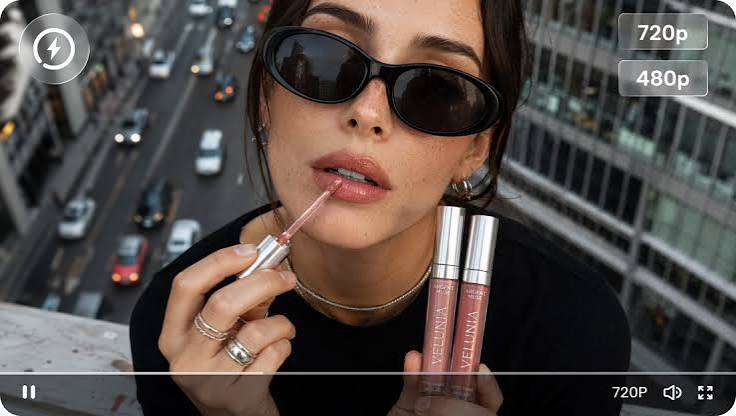
A good book can take readers into unfamiliar places, introduce memorable characters, and create questions that stay in their minds long after they finish a chapter. Yet convincing someone to pick up a book is not always easy, especially when they have only seen its cover and a short description. A well-planned video trailer can offer a glimpse of the reading experience without explaining the entire story.
For authors and publishers, Seedance 2.5 Flash can be explored as part of a creative workflow for turning written ideas into short visual teasers. The purpose is not to replace the imagination of the reader. It is to create enough atmosphere and curiosity to make someone interested in discovering the story for themselves.
A Book Trailer Should Invite, Not Summarize
One common mistake in book promotion is trying to fit too much of the plot into a short video. Introducing every major character, explaining the central conflict, and revealing important developments can make the trailer feel like a compressed version of the book.
A more effective approach is to identify the experience the book offers. A mystery novel might create curiosity through an unexplained letter or an empty room. A fantasy story could introduce an unusual landscape, while a personal memoir might focus on a meaningful object connected to its central theme. These details give viewers a sense of the book without revealing its most important discoveries. The trailer becomes an invitation rather than a substitute for reading.
Find the Visual Idea Hidden Inside the Writing
Not every memorable passage can be transferred directly into a video. Some writing depends on internal thoughts, complex descriptions, or a narrator’s unique voice. The challenge is to identify an image or situation that communicates the same feeling visually. Authors can begin by asking three questions:
- What emotion should a potential reader experience after watching?
- Which detail best represents the atmosphere of the book?
- What unanswered question could encourage someone to learn more?
The answers help narrow the creative direction. For example, a story about isolation might be represented through a distant light in a quiet landscape rather than a scene explaining the character’s entire background. During early visual exploration, creators may use Dreamina to consider different settings, moods, and artistic directions. The selected approach should still reflect the author’s original vision rather than changing the personality of the book simply to produce a dramatic scene.
Build the Trailer Around One Central Question
A short trailer becomes easier to follow when its scenes are connected by a single idea. Instead of presenting unrelated attractive images, creators can arrange the visuals around one question that reflects the book’s central tension. A useful structure might begin with an intriguing image, introduce a detail that changes its meaning, and finish with an unresolved moment. For a historical mystery, the opening might show an old photograph. The next scene could draw attention to a detail that appears out of place, while the final moment introduces the title and publication information.
The viewer does not need to understand the entire plot. They only need enough context to recognize that something interesting is waiting to be discovered. Seedance 2.5 Flash can be considered during this process when creators want to explore different visual interpretations of the same concept. The aim should be to compare storytelling possibilities, not simply generate as many scenes as possible.
Let the Genre Influence the Visual Language
Different genres create different expectations. A romantic novel may benefit from intimate compositions and gentle pacing, while a suspense story might rely on unanswered details and controlled reveals. A lighthearted children’s book could use a more playful visual approach. However, genre should guide the creative direction rather than determine every decision. Not every thriller needs dark corridors, and not every fantasy story needs dramatic castles. Familiar visual conventions can help communicate a category, but originality comes from selecting details that belong to the particular book.
Color, lighting, background elements, and sound should work together. When these choices support the story’s personality, even a simple scene can feel distinctive. When they are selected without considering the writing, the trailer may look impressive but communicate very little about the book itself.
Protect the Reader’s First Discovery
A trailer should be reviewed carefully for accidental spoilers. A visual detail that seems harmless to someone who knows the full story may reveal an important relationship or future development to a new reader. It helps to separate promotional material into two categories: details that introduce the story and details that belong to the reading experience. The first category can be used to create the trailer. The second should generally remain private.
Authors should also review generated characters, settings, and important objects for consistency with the manuscript. A visual interpretation that changes a character’s identity or presents a fictional setting inaccurately may create expectations the book does not fulfill.
Think Beyond the Video Itself
A trailer is usually part of a larger book presentation. Its title card, cover appearance, author name, release information, and final message should work together. Viewers should know which book they have seen and where they can find more information. When developing these presentations, creators can explore Seedance 2.5 to experiment with different visual formats and promotional approaches. A vertical version may work better for some social platforms, while a wider presentation may suit a publisher’s website or an online event. The central creative idea can stay the same even when the layout changes.
Before publishing, check the readability of the text, the quality of the audio, and the rights associated with any music, artwork, photographs, or reference material. These practical details help prevent an otherwise strong trailer from creating avoidable problems.
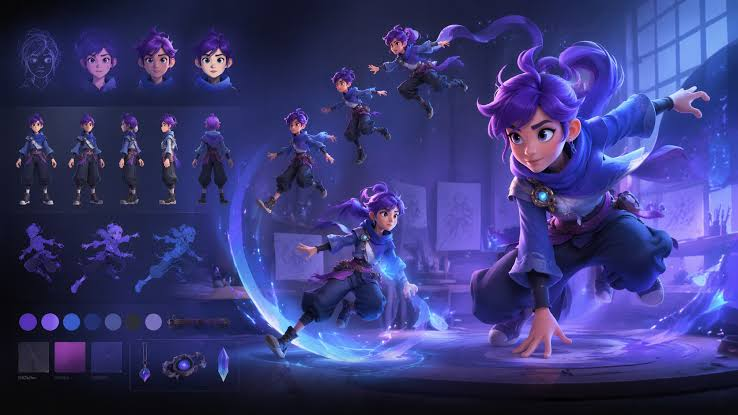
Conclusion
Seedance 2.5 Flash offers creators another option to explore when turning literary ideas into short visual experiences. Its most useful role in book promotion is not to tell the whole story, but to help develop an atmosphere, an intriguing image, or a memorable moment that encourages curiosity. By respecting the author’s vision, avoiding spoilers, and building the trailer around one clear idea, publishers and independent writers can create promotional videos that give readers a reason to discover the book themselves.
Frequently Asked Questions
What makes a book trailer different from a regular promotional video?
A book trailer focuses on the atmosphere, themes, and central intrigue of a written work. Rather than presenting a list of product features, it gives potential readers a brief impression of the story they might enjoy.
Can a book trailer be created without showing the main characters?
Yes. Locations, meaningful objects, symbolic imagery, and environmental details can communicate a story’s mood. This approach may also be useful when the appearance of a character is important to the reader’s imagination.
How much of the plot should a trailer reveal?
It should provide enough context to make the premise understandable without revealing major twists or the ending. The central conflict or an intriguing question is often sufficient.
Should authors use the same visual style as their book cover?
The trailer does not have to duplicate the cover, but a connection between the two can make the book easier to recognize. Matching selected colors, typography, or artistic details can create a consistent presentation.
Is Seedance 2.5 suitable for exploring book trailer concepts?
Creators can explore the Seedance 2.5 family, including Seedance 2.5 Flash, when developing visual ideas for a trailer. The best choice depends on the creative requirements, available settings, and the level of control needed for the final production.

