Why vegan chocolate finally started tasting like chocolate
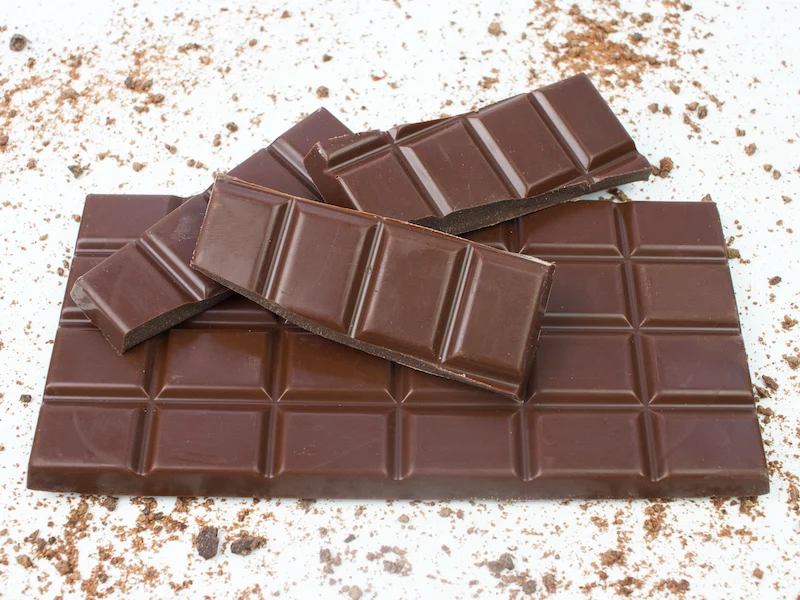
For a long time, vegan chocolate had a reputation problem. It was the bar people ate because they had to. Chalky texture, faint beany aftertaste, sweetness cranked up to cover for missing dairy fat. Anyone who tried a plant-based bar a decade ago and quietly went back to milk chocolate had a fair reason.
That era is over, mostly. The current generation of vegan chocolate is being made by chocolatiers who take cacao sourcing as seriously as any single-origin coffee roaster, and the results are catching serious eaters off guard.
What changed inside the bar
Better fats, better sugar ratios, better cacao. But the fat question is where most of the work happened.
Milk chocolate works because milk solids and milk fat soften the bitterness of cacao and give the bar a rounded, creamy mouthfeel. Take those out and something has to do that job. Early vegan bars leaned on rice powder, which is why they tasted grainy and slightly damp. Newer formulations use oat milk powder, coconut milk solids, cashew cream, or almond paste. Oat rounds out dark cacao without pushing a distinct flavor. Coconut adds a tropical lift that pairs well with fruit. Cashew is closest to the neutral creaminess dairy provides, which is why it keeps showing up in the more convincing bars right now.
Sugar ratios shifted too. When the base cacao is high quality, less sugar means more of the actual bean comes through: red fruit from Ecuadorian beans, roasted nut from Ghanaian, bright citrus from Madagascan. Cleaner farming practices tend to produce beans with more layered flavor, and without dairy fat, there is nothing to smother the nuance.
The dark chocolate loophole most people miss
A significant portion of dark chocolate on grocery shelves is already vegan by accident. Pure dark chocolate needs only cacao, sugar, cocoa butter, and often a bit of lecithin and vanilla. No dairy required. The reason many bars still carry a milk allergen warning is shared equipment, not shared ingredients.
So the practical question for a shopper is not whether good vegan chocolate exists. It does, abundantly. The question is whether the maker treats the vegan line as a serious project or as a side experiment. A brand that publishes cacao percentages, origins, and inclusion sourcing is usually taking it seriously. A brand that markets a single sad bar under a green leaf icon usually is not.
Where the interesting work is happening
The most interesting plant based chocolate right now is coming from small and mid-size chocolatiers who treat the format as a design problem, not a restriction. Meyer lemon and olive oil in a bar. Miso caramel folded into a dark ganache set with coconut cream. These are not trying to imitate milk chocolate. They are using the absence of dairy as an opening to try flavors that would clash with it, and the honest reaction is that some of these bars are more interesting than their dairy-based cousins on the same shelf.
Gift-oriented producers have caught on, and the packaging tells the story. Anyone browsing well-curated vegan chocolate collections will notice the vegan boxes now look identical to the standard luxury boxes. Same ribbon, same weight, same price. That parity matters more than it sounds. For years, the vegan option in any category was visually coded as lesser, and shoppers picked up on it without needing to think about it.
How to actually shop for a bar worth eating
Ingredient list first, marketing copy second. A strong vegan bar usually has fewer than eight ingredients, and cacao mass or cocoa liquor should sit near the top. Sugar in first position is a bad sign. Cacao percentage matters, but only in context: a 70 percent dark bar and a 45 percent oat milk bar are doing very different jobs, and neither is inherently better. The 70 tastes like cacao itself. The 45 tastes like a childhood memory of a candy bar, done properly.
Watch for cocoa butter versus vegetable oil, because real cocoa butter is what gives chocolate its snap and that clean melt right at body temperature. Palm oil or generic vegetable fat produces a waxier, duller bar, and cheaper makers cut cocoa butter to save money. It is always noticeable. Freeze-dried raspberries, toasted nuts, sea salt, and citrus zest all work well with plant-based bases. Artificial flavors and generic cocoa powder coatings are a signal that corners are getting cut somewhere else too.
Origin is the last filter. Single-origin bars tell a specific flavor story. Blended bars aim for consistency. Both are fine, but anyone who wants to understand what they are tasting will get more out of a single-origin bar.
The bigger point about sweet vegan chocolates
Sweet vegan chocolates used to be a niche gift category, something bought for a specific person with a specific dietary restriction. That framing is falling apart. The best vegan chocolate now competes on flavor with any dairy-containing counterpart, and plenty of people who eat dairy without issue are reaching for it anyway, sometimes because the bars taste better, sometimes because the sourcing feels cleaner, sometimes both.
There is a generational shift underneath this. Younger buyers are less loyal to the dairy-default and more interested in provenance, sustainability, and ingredient transparency. A well-made organic chocolate bar answers all three at once, which is a big part of why the category is growing well outside strict vegan households.
None of which means every plant-based bar is worth buying. Plenty still are not. There are chalky ones, cloying ones, and ones that taste faintly of the packaging they came in. The average has gotten better. The range from worst to best has gotten wider.
But finding a genuinely excellent vegan chocolate no longer takes luck or a specialty trip. A shopper willing to read an ingredient list and try two or three bars from different makers will land on something good pretty fast. Five years ago that was not true, and the shift has happened with almost no fanfare.