How Restaurant Operating Hours Shape Your Dining Choices
The hours a restaurant keeps tell you more about the establishment than you might realize. Operating schedules influence everything from menu composition to service quality, and understanding these patterns helps diners make better choices about where to eat and when. Whether you’re planning a weekday lunch or a late-night meal, knowing how restaurants structure their hours can transform an average outing into a memorable dining experience.
Why Operating Hours Matter Beyond Convenience
Restaurant hours reflect the kitchen’s capabilities, staff scheduling, and the type of clientele the establishment serves. A restaurant open only for dinner service typically focuses its entire operation on evening preparation, allowing chefs to source ingredients the same day and dedicate afternoon hours to mise en place. This concentrated effort often results in more refined dishes and attentive service compared to all-day operations that must maintain multiple service periods.
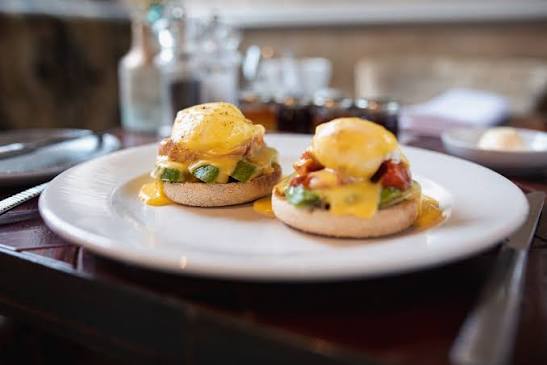
Breakfast and brunch spots that close by mid-afternoon can offer exceptional morning menus because their entire supply chain and kitchen workflow centers on early-day service. They purchase produce and dairy products optimized for freshness during morning hours and staff their kitchens with cooks who specialize in breakfast techniques. The limited hours create a focused dining experience rather than spreading resources thin across multiple dayparts.
Peak Hours and Menu Quality
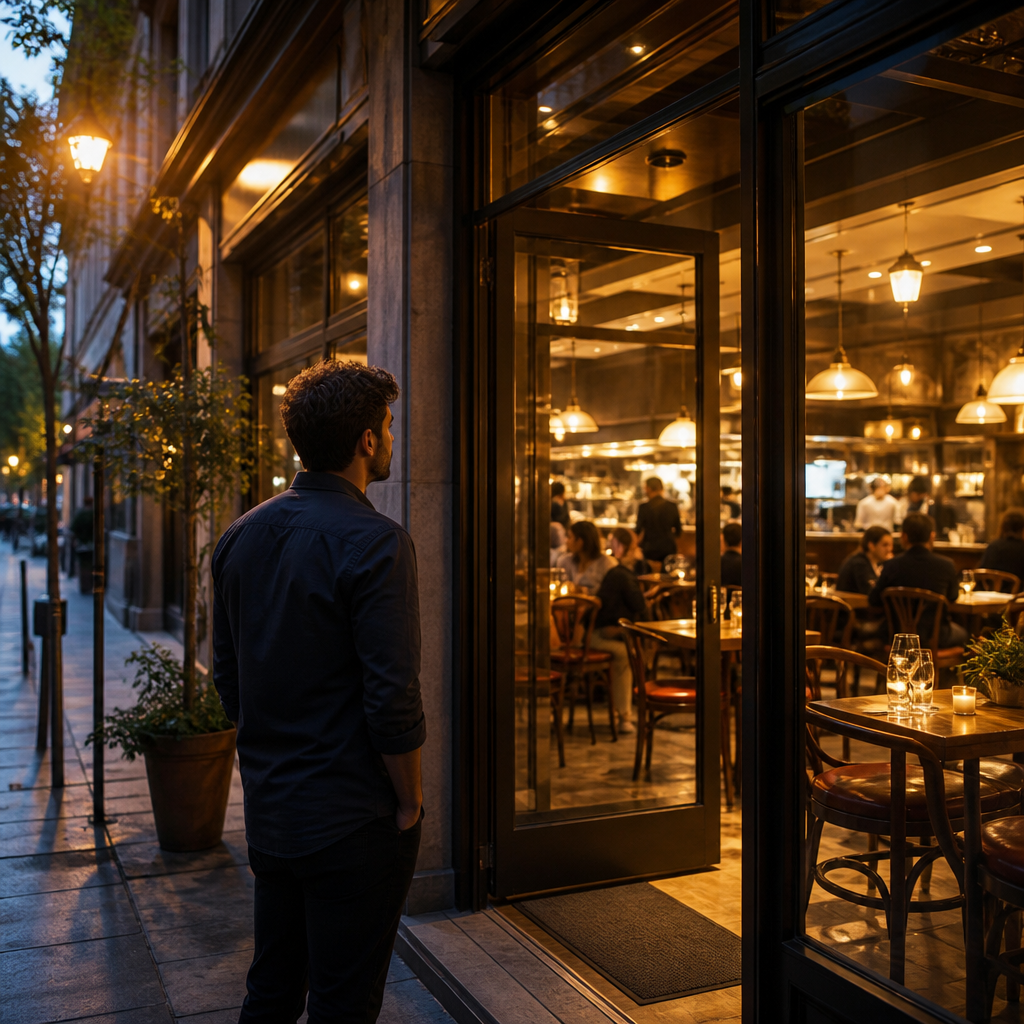
The busiest hours at any restaurant typically coincide with the kitchen operating at peak efficiency. During these windows, usually between 7 PM and 9 PM for dinner service, dishes come out at their intended temperature, plating receives proper attention, and the entire brigade works in synchronized rhythm. Visiting during these hours means experiencing the menu exactly as the chef designed it.
Conversely, arriving just before closing time often means encountering a kitchen that has already begun breakdown procedures. Some proteins may be unavailable, and the cooking team understandably focuses on wrapping up rather than starting complex preparations. While many restaurants maintain standards until the last order, the reality of kitchen operations means that dining an hour before closing rarely showcases the establishment at its best.
Off-Peak Advantages
Early dining, between 5 PM and 6:30 PM, offers distinct benefits despite falling outside peak hours. Tables are readily available without reservations, service tends to be more relaxed and personalized, and the kitchen staff is fresh rather than deep into a demanding shift. Many restaurants offer early dining specials during these hours, though the atmosphere may lack the energy of a full dining room.
Understanding Different Service Models
Counter-service restaurants that operate continuously throughout the day, much like many coffee shops and casual chains, maintain consistency by preparing components in batches and assembling orders individually. This model suits quick meals and casual dining but rarely achieves the finesse of a made-to-order kitchen operating during defined service windows.
Fine dining establishments almost exclusively operate with distinct service periods, closing between lunch and dinner to reset the dining room, restock ingredients, and allow staff to prepare for the evening. This separation ensures that each service receives full attention and maintains high standards. The break also provides time for daily menu adjustments based on ingredient availability.
Finding Quality Restaurants in Major Dining Cities
Major metropolitan areas offer diverse restaurant hours that reflect their culinary scenes. In cities like Miami, where dining culture extends late into the evening, many establishments stay open well past midnight to accommodate both locals and visitors who prefer late meals. When exploring dining options in such cities, researching both operating hours and peak times helps identify restaurants that match your schedule and expectations. Resources like guides to the best restaurants in Miami often include practical details about when establishments serve their signature dishes and which hours showcase their kitchens at full capacity. These insights prove especially valuable when visiting unfamiliar cities where dining customs may differ from your home area.
Seasonal and Day-of-Week Variations
Restaurant hours shift with seasons and days of the week, patterns that reflect customer demand and operational realities. Weekend brunch service brings crowds and often extended morning hours, while weekday lunch caters to business diners with tighter time constraints. Summer months may see extended patio hours and later closing times, whereas winter often brings earlier closures and more limited weekly schedules.
Monday and Tuesday closures remain common in the restaurant industry, giving staff consecutive days off after busy weekends. High-end restaurants particularly favor this schedule, allowing time for deep cleaning, equipment maintenance, and menu development. Planning around these dark days prevents disappointment and helps you discover alternative options that thrive on typically slow nights.
Holiday Hour Adjustments
Major holidays dramatically alter restaurant schedules, with many establishments closing entirely on Thanksgiving and Christmas while others modify hours for New Year’s Eve service. Easter, Mother’s Day, and Valentine’s Day typically bring extended brunch or dinner hours to accommodate increased demand. Calling ahead or checking websites before holiday visits saves wasted trips and reveals which restaurants embrace holiday service as an opportunity for special menus.
Making Hours Work for Your Dining Goals
Strategic timing enhances any dining experience. For business lunches requiring efficiency, arriving within the first thirty minutes of lunch service ensures prompt seating and swift kitchen turnaround. Celebrating special occasions benefits from prime-time reservations when the dining room atmosphere reaches its peak and the full menu is available. Casual weeknight dinners gain value from early or late slots that avoid crowds without sacrificing food quality.
According to culinary experts who track dining trends, the most informed diners consider operating hours as carefully as menu descriptions when choosing restaurants. This approach recognizes that timing influences every aspect of the meal, from ingredient freshness to staff attentiveness.
The Future of Restaurant Hours
Restaurant operating hours continue evolving as the industry adapts to changing labor markets and customer preferences. Some establishments experiment with four-day work weeks, consolidating service into longer shifts on fewer days. Others embrace flexible hours, opening only when reservations justify full staffing. These innovations aim to improve work-life balance for restaurant employees while maintaining profitability.
Technology enables more dynamic hour management, with some restaurants adjusting closing times based on real-time reservation data or extending hours when weather and local events drive unexpected demand. This responsiveness serves both operators and diners, maximizing efficiency while capturing opportunities for excellent meals that might otherwise be missed due to rigid scheduling.
Understanding how restaurant hours intersect with kitchen operations, staffing, and service quality empowers diners to choose not just where to eat, but when to visit for the experience they seek. Whether you prioritize convenience, atmosphere, or culinary precision, aligning your dining schedule with restaurant operations transforms ordinary meals into noteworthy occasions that justify the time and expense of eating out.