
Eating for Better Skin and Hair: What Actually Makes a Difference?
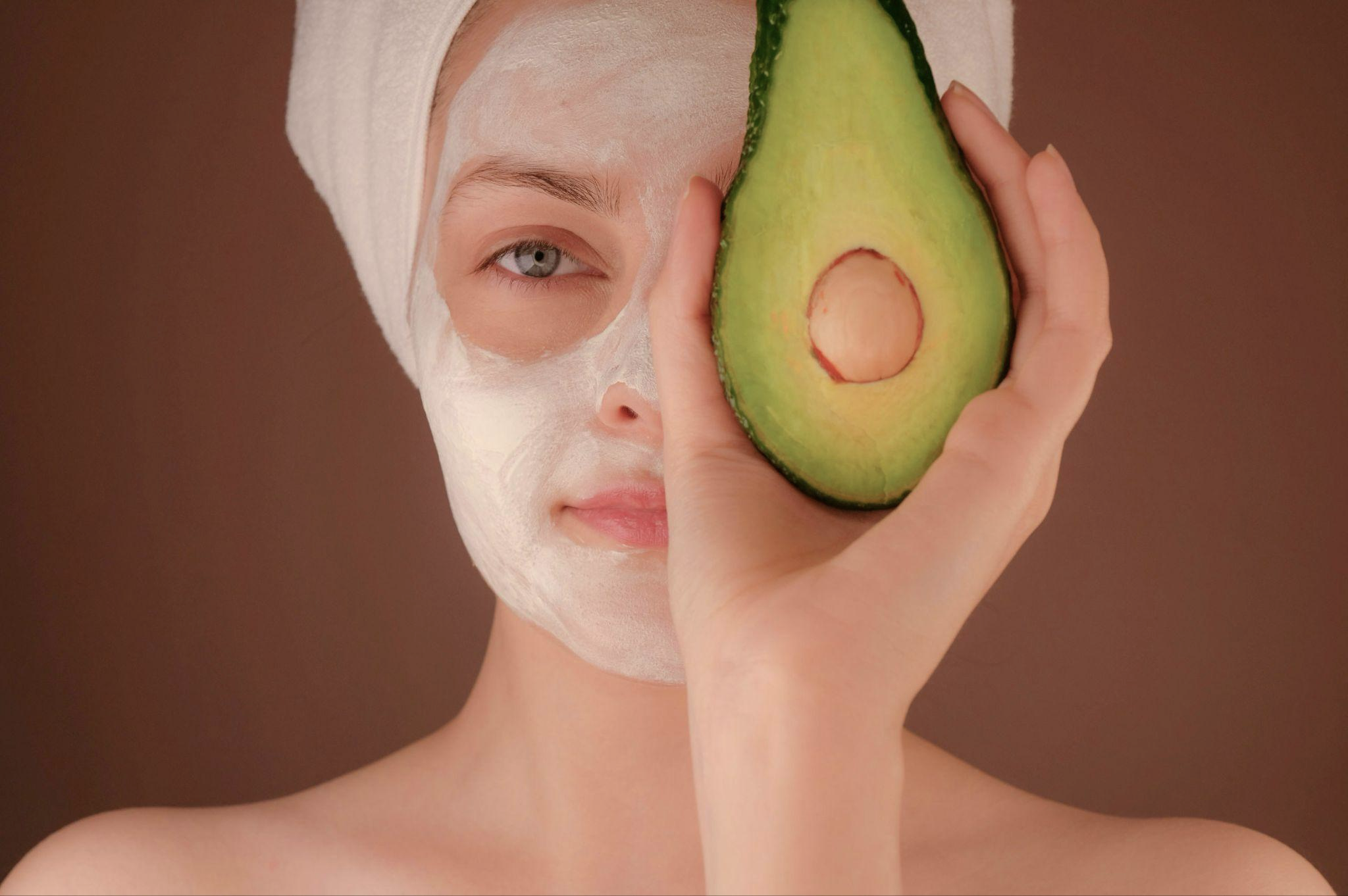
The connection between food and appearance is easy to exaggerate. One week, a particular fruit is presented as the secret to glowing skin; the next, a supplement promises stronger hair or fewer visible signs of aging.
Nutrition does matter, but usually in a less dramatic way. Skin and hair depend on the same basic nutritional foundation as the rest of the body. Adequate protein, essential fats, vitamins, minerals, and overall energy give the body the materials it needs for normal growth and maintenance.
The biggest difference often comes from getting those fundamentals right consistently rather than searching for one perfect “beauty food.”
Good Nutrition and Good Beauty Care Have Different Jobs
Eating well can support healthy skin and hair, but nutrition cannot produce every cosmetic result you may want. That is where external care and professional beauty treatments have their own role.
The distinction is particularly clear with lashes. Nutrition contributes to the general conditions in which natural hair grows, while a lash professional can create an immediate aesthetic change through extensions. Precision equipment such as lash extension tweezers allows trained artists to isolate and work with individual lashes during that process.
Treating nutrition and beauty care as complementary rather than competing approaches creates much more realistic expectations about what each can accomplish.
Protein Is a Basic Building Material
Hair is primarily made from keratin, which is a protein. The body also requires amino acids for maintaining and repairing tissues throughout the body.
That makes adequate dietary protein important, but it does not mean enormous quantities automatically produce thicker or faster-growing hair.
The more useful goal is meeting your nutritional needs consistently. Depending on your diet, protein may come from meat, poultry, eggs, dairy products, legumes, soy foods, nuts, seeds, or combinations of different sources.
Extremely restrictive diets deserve particular attention because eliminating large food groups without suitable replacements can make meeting nutritional requirements more difficult.
Dietary Fat Should Not Automatically Be Treated as the Enemy
Low-fat dieting once encouraged people to view almost every source of dietary fat negatively.
The body, however, needs fats for normal physiological functions, and essential fatty acids must come from the diet. Foods such as nuts, seeds, avocado, olive oil, and other appropriate sources can contribute to an overall balanced eating pattern.
This does not mean adding unlimited amounts of fat to every meal in the name of better skin.
As with most nutrition questions, the overall dietary pattern matters more than maximizing one nutrient. A varied diet that provides adequate energy and essential nutrients is considerably more useful than swinging between nutritional extremes.
Learn to Notice Skin Changes Early
Nutrition is only one influence on how skin looks. Hormonal changes, growth, pregnancy, weight changes, genetics, age, and changes in body composition can all affect its appearance.
Stretch marks are a good example. Recognizing the early signs of stretch marks can help someone understand how these marks initially develop and how their appearance may change over time, rather than noticing them only once they have become more established.
Paying attention to changes does not mean every mark needs to be “fixed.” Skin naturally changes throughout life. Understanding what you are seeing simply makes it easier to care for your skin realistically instead of expecting food alone to prevent every visible change.
Vitamin C Has a Real Biological Role
Vitamin C frequently appears in beauty conversations for a good reason: the body needs it for normal collagen formation.
Fortunately, obtaining vitamin C does not require an elaborate beauty diet. Citrus fruits are well-known sources, but peppers, strawberries, kiwi, broccoli, and various other fruits and vegetables can contribute too.
This is a useful example of why eating a varied diet generally makes more sense than concentrating on individual “superfoods.”
When several nutrient-rich foods regularly appear on the plate, you do not need every meal to be engineered around one particular vitamin.
Iron Deserves Attention When Hair Changes
Photo by kyle smith on Unsplash
Unexpected hair shedding can have numerous possible causes, and nutrition is only one of them.
Iron status is among the nutritional factors that may be relevant in certain circumstances. Rather than immediately buying supplements because hair seems different, significant or persistent changes are worth discussing with an appropriate healthcare professional.
This matters because more iron is not automatically better, and supplementation should have a reason behind it.
The same principle applies to many nutrients marketed for appearance. Correcting an actual nutritional problem and taking extra amounts “just in case” are two very different situations.
Do Not Build Your Entire Diet Around Collagen
Collagen has become one of the most recognizable words in beauty nutrition.
The body naturally produces collagen, and adequate nutrition provides components needed for that process. Protein and vitamin C are among the relevant nutritional pieces, but the biology is much broader than eating one particular product.
Collagen-containing foods or supplements can be part of someone’s diet if they choose them, but they should not distract from overall nutritional quality.
Someone eating poorly throughout the day does not suddenly create a balanced diet by adding one beauty-focused product before bed.
Hair Changes Slowly
One reason nutrition-related beauty claims are difficult to evaluate is that hair does not transform overnight.
If someone improves an inadequate diet today, they should not expect dramatically different hair by next weekend. Hair growth occurs gradually, and the visible strands already present will not suddenly be rebuilt by yesterday’s dinner.
That makes patience important.
Instead of changing supplements every two weeks because nothing dramatic happened, focus on whether the overall eating pattern is sustainable and nutritionally adequate.
Consistent habits have a much better chance of mattering than constantly switching between short-lived beauty trends.
Hydration Helps, but It Is Not a Miracle Treatment
Drinking enough fluid is part of taking care of the body, but water has acquired almost mythical status in some beauty advice.
Adequate hydration is important. Drinking excessive quantities in an attempt to eliminate every skin concern is not a realistic strategy.
Skin appearance is influenced by numerous factors, including genetics, age, environment, sun exposure, skincare, sleep, and general health.
Drink according to your needs and circumstances rather than treating an arbitrary number of glasses as a beauty prescription.
Be Careful With Supplements That Promise Everything
Hair, skin, and nail supplements often combine numerous ingredients into a single product, which can make them appear comprehensive.
Before adding one, look at what it actually contains and why you believe you need it.
If your diet already provides adequate amounts of a nutrient, taking much more does not necessarily produce a cosmetic benefit. Some nutrients can also cause problems when consumed excessively.
Persistent hair loss, significant skin changes, or other unexplained symptoms deserve proper investigation rather than a succession of supplements chosen from social media recommendations.
The Basics Are Less Exciting but More Useful
There probably will never be one breakfast capable of guaranteeing clear skin and thick, glossy hair.
Nutrition is more cumulative than that.
Eat enough overall, include appropriate protein sources, consume a variety of fruits and vegetables, include sources of essential fats, and avoid creating unnecessary deficiencies through excessively restrictive eating.
Then consider everything happening outside the kitchen too. Sleep, stress, sun exposure, hair treatments, skincare practices, genetics, hormonal changes, and general health can all influence what you see in the mirror.
Better nutrition can support better skin and hair, but its greatest strength is not producing a sudden cosmetic transformation. It is giving the body a reliable nutritional foundation so it can keep doing the everyday work of growing, repairing, and maintaining itself.