Restaurant Event Ideas Guests Will Remember
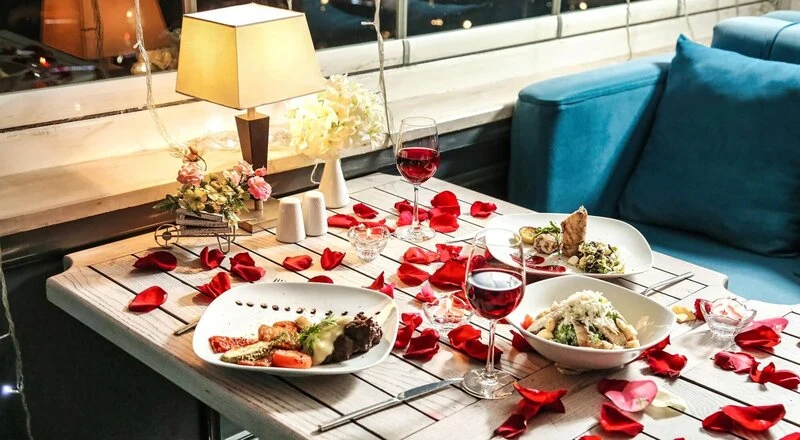
A restaurant event should offer more than good food. Guests should have a reason to talk about it after they leave. The best events combine food, atmosphere, interaction, and a clear theme. They also give guests something they cannot get from a standard dinner service.
Event planning starts with the guest journey. Think about what happens from arrival to departure. Consider the welcome, seating, menu, entertainment, service pace, and final interaction. Each stage should support the event theme.
Host a Chef-Led Tasting Night
A chef-led tasting event can turn an ordinary dining room into an interactive experience. Instead of serving a standard menu, create a sequence of small courses. Each course should have a clear purpose.
The chef can explain ingredients, preparation methods, and flavor combinations. Staff can also provide short descriptions between courses. Keep the presentation structured so the event does not slow down service.
The National Restaurant Association reported that 70% of consumers were interested in tasting events in its 2025 research. The same research found interest in private chef dinners and restaurant cooking classes.
Build a Strong Visual Theme
Visual consistency matters at special events. It makes the restaurant feel different from its normal operating environment. The theme should appear across tables, menus, signage, lighting, and staff presentation.
Use branded or themed customized table covers for registration tables, tasting stations, buffet areas, or dedicated event tables. Table Covers Now offers different materials, styles, and customization options, allowing restaurants to match the setup to the event.
The design should not overwhelm the dining space. Use a limited color palette and one strong visual identity. This creates consistency without making the restaurant look crowded.
Create Interactive Food Stations
Interactive food stations give guests more control over their experience. They also create natural opportunities for conversation.
Consider options such as:
- Build-your-own dessert stations
- Fresh pasta demonstrations
- Cocktail or mocktail workshops
- Regional food tasting stations
- Chef-led plating demonstrations
The key is operational control. Assign one employee to each active station when possible. Pre-portion ingredients and establish a maximum number of guests per station. This reduces queues and keeps food quality consistent.
Plan a Restaurant Cooking Class
Cooking classes can turn a restaurant visit into a practical experience. Choose one recipe or technique that can be completed within the event period.
Pizza making, pasta preparation, pastry decorating, and sauce workshops are easy concepts to adapt. Give each guest a workstation and prepare ingredients before the session begins.
The kitchen should also account for food safety. Use separate utensils for raw and ready-to-eat ingredients. Keep hot foods at safe temperatures and provide clear instructions before guests begin handling food.
Turn Special Dates Into Experiences
Seasonal events are common, but the execution can make them distinctive. Instead of simply changing decorations, build the menu and activities around the occasion.
For example, a spring event could feature a fresh produce tasting. A holiday dinner could include a dessert workshop. A summer evening could combine outdoor dining with live cooking.
Create a simple event schedule. Include arrival time, welcome activity, food service, entertainment, and closing activity. This helps staff coordinate each transition.
Add a Memory-Making Element
Guests are more likely to remember an event when they participate in something personal. A restaurant can create a small photo area, guest message wall, recipe card station, or event portrait setup.
For milestone dinners, restaurants can collect approved guest photographs and create photo books after the event. A finished book can become a keepsake for a wedding party, anniversary group, corporate team, or restaurant community.
If photos are collected, establish a clear consent process. Guests should know how their images will be used. This is especially important if the restaurant plans to publish photographs on social media or promotional materials.
Measure What Worked
Successful events should be measured like any other restaurant operation. Revenue alone does not provide the complete picture.
Track metrics such as:
- Attendance and no-show rate
- Average spend per guest
- Food cost percentage
- Labor hours per event
- Table turnover
- Event-related reservations afterward
- Social engagement and guest feedback
Compare these numbers with normal service periods. A high-revenue event may still have poor margins if labor, food waste, or promotional costs are excessive.
Guest feedback also provides useful operational data. Ask what guests enjoyed, what felt slow, and what they would change. Keep the survey short so more people complete it.
Make the Event Repeatable
The strongest restaurant events can become repeatable formats. Create a standard operating procedure after the first successful event.
Document the menu, supplier contacts, staffing requirements, equipment list, preparation schedule, seating plan, and cleaning requirements. Record how long each activity takes. This makes future planning faster.
Create templates for invitations, menus, signage, staff briefings, and post-event surveys. A repeatable system reduces planning time while keeping the guest experience consistent.
Focus on the Guest Journey
A memorable restaurant event does not require an enormous budget. It requires careful coordination. The theme, food, service, environment, and activities should work together.
Start with one clear idea. Build the menu around it. Then design the room and guest activities to support that concept. When every element has a purpose, the event feels intentional rather than simply decorated.
The goal is to give guests a reason to participate, connect, and remember the experience. That is what turns a restaurant event into something people want to attend again.