
A Practical Checklist for Choosing the Right Home Setting in Rancho Santa Fe, California
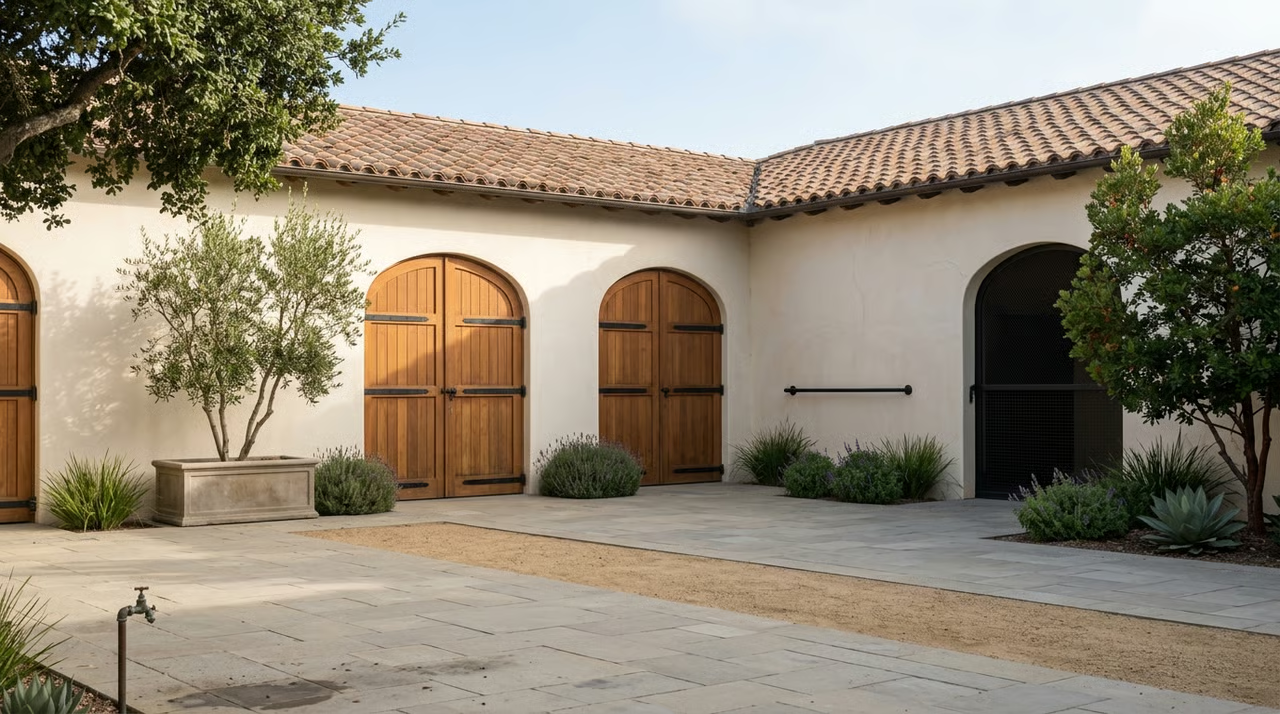
In Rancho Santa Fe and nearby North County San Diego communities, the right home decision involves much more than square footage, finishes, or a dramatic first impression. A home’s setting affects how often you drive, how much privacy you enjoy, what maintenance you take on, and whether the property supports your plans over time.
Buyers reviewing Rancho Santa Fe homes for sale can use Danielle Short & Associates as a local property search resource to compare estate homes, gated communities, land, condos, townhomes, and village-oriented options. The team serves Rancho Santa Fe, Del Mar, Encinitas, and surrounding North County areas, where property settings can vary substantially from one community, street, or parcel to the next.
Start With the Home Setting
Before focusing on paint colors or kitchen appliances, consider the setting that surrounds the house. Rancho Santa Fe offers private estates, gated communities, village-adjacent homes, equestrian-oriented properties, and larger lots with varying levels of landscaping and infrastructure needs. Nearby Del Mar and Encinitas may appeal to buyers seeking coastal access and a more connected daily rhythm. A beautiful home can still be a poor long-term fit if road noise, traffic patterns, privacy, or drive time conflict with everyday life.
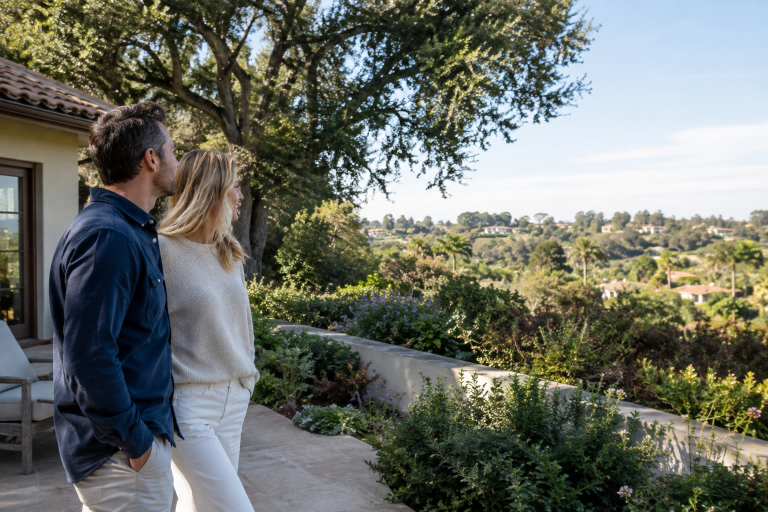
During a showing, pause outside. Notice the approach to the property, neighboring homes, lot visibility, road conditions, mature trees, drainage patterns, and usable outdoor areas. Views, quiet, and separation may be valuable, but they can also require longer drives, larger grounds, or more exterior maintenance.
Match the Property to Daily Life
Turn broad preferences into criteria that can be compared across properties. Ask how much privacy you need, whether remote work requires a quiet office, how often you expect to entertain, and how much driving is realistic for work, school, errands, dining, recreation, and medical appointments. Also, decide whether the home will be a primary residence, a second home, a seasonal retreat, or an investment property.
For example, a buyer who prioritizes quiet outdoor space and room for guests may be willing to accept a longer drive and more landscaping. A buyer who values quick errands and a shorter daily commute may prefer a smaller home closer to services. Neither choice is automatically better. The better choice is the one that matches the buyer’s actual routine.
Compare Common Property Types
Detached Homes
Detached homes generally offer more control over improvements, yards, and daily use. They may suit buyers seeking space, privacy, gardens, pools, or customization, but owners are typically responsible for roofs, exterior systems, landscaping, and repairs.
Condos and Townhomes
Condos and townhomes can offer a lower-maintenance or lock-and-leave lifestyle, sometimes with shared amenities. Responsibility varies by community, so buyers should confirm who maintains roofs, exterior walls, yards, parking, and shared systems. Review HOA rules, insurance, reserves, rental policies, pet restrictions, and any planned assessments.
Land and Custom-Build Opportunities
Land can provide flexibility, but lot size alone does not determine a site’s usefulness. Utility access, grading, drainage, permits, easements, building restrictions, and infrastructure costs can all affect a project’s timeline and budget.
Calculate the Full Ownership Cost
Budget beyond the loan payment. Include property taxes, insurance, HOA dues, utilities, landscaping, pool care, inspections, moving costs, and reserves for repairs to major systems. California’s homebuying guidance encourages buyers to consider ongoing expenses such as taxes, insurance, repairs, upgrades, utilities, and association fees, not just mortgage qualification.
A larger residence or parcel may lead to greater utility use and increased maintenance exposure. Request realistic estimates where possible, then leave room in the budget for items that may not be visible during a single tour.
Review Location and Access
Maps are useful, but they do not show the full daily experience. Drive the route at the times you would normally travel. Visit in the afternoon, evening, and on a weekend if possible. This can reveal school traffic, commuter congestion, lighting conditions, neighborhood activity, and noise that a mid-morning appointment may miss.
- Compare access to major roads, shopping, schools, medical care, and recreation.
- Consider beach, trail, golf, or equestrian access where relevant to your plans.
- Ask about drainage, slopes, wildfire exposure, flooding, and insurance availability.
- Evaluate whether the property’s access works comfortably for guests, deliveries, and service providers.
Complete the Right Due Diligence
Use the contingency period to investigate the property, not merely to confirm that you still like it. Order appropriate inspections, review seller disclosures, and verify material information independently. Depending on the property, this may include reviews of the general, roof, HVAC, plumbing, electrical, structural, termite, pool, well, septic, or drainage systems.
Check permit history, title matters, easements, access rights, HOA records, meeting minutes, budgets, and reserve information. Buyers researching assessed values, parcel information, recorded documents, or county-level property details can consult the San Diego County Assessor/Recorder/County Clerk during their review. Seek guidance from qualified inspectors, lenders, insurance professionals, attorneys, and other specialists when an issue falls outside your expertise.
Build a Home Comparison Checklist
After each showing, score the same categories from one to five. A simple scorecard makes tradeoffs easier to see when several homes begin to blend together.
- Purchase price and estimated monthly ownership cost.
- Privacy, noise, lot usability, and outdoor upkeep.
- Condition of roof, systems, and visible exterior features.
- Commute, errands, schools, recreation, and daily access.
- HOA obligations, insurance considerations, and future maintenance.
- Resale strengths, potential drawbacks, and fit with long-term plans.
Make the Decision With Confidence
The best Rancho Santa Fe area home choice balances setting, condition, cost, convenience, and future plans. Slow the process down enough to compare each option using the same standards, verify the facts that matter most, and choose the complete ownership experience over a single attractive feature.