
ce Shaver Machines: From Hawaiian Tradition to Modern Culinary Essential
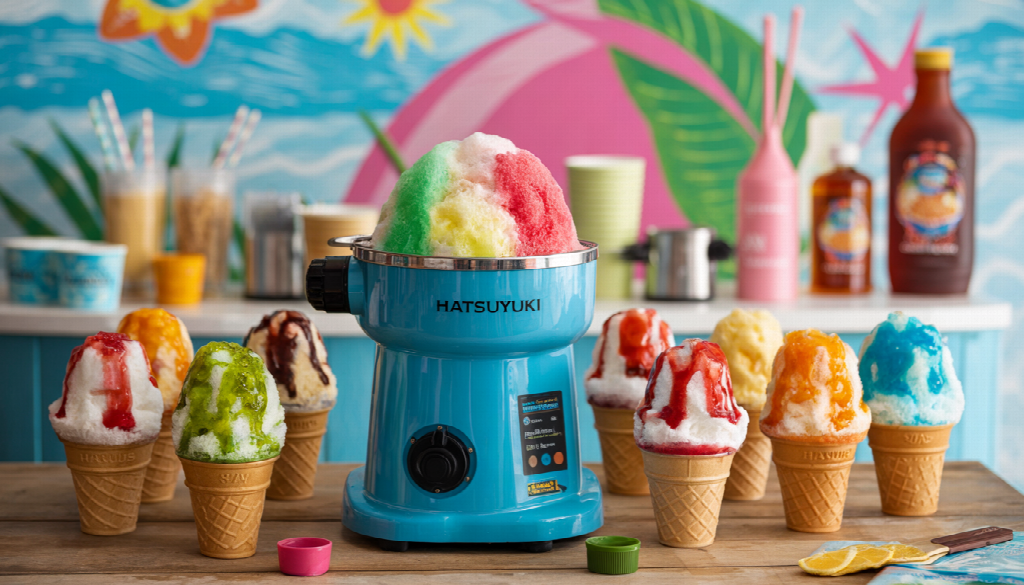
The transformation of ice into delicate, snow-like crystals has captivated dessert lovers for generations. What began as a simple street treat in Hawaii has evolved into a sophisticated culinary tool found in both professional kitchens and home counters. Ice shaver machines now represent a convergence of cultural tradition and modern engineering, capable of producing textures that range from fine powder to coarse flakes in seconds.
This evolution reflects broader shifts in how we approach frozen desserts. As consumers demand higher quality and more authentic experiences, the technology behind these machines has advanced significantly, drawing inspiration from techniques perfected over decades in the Hawaiian Islands.
The Cultural Roots of Shaved Ice
The story of shaved ice in Hawaii begins with Japanese plantation workers in the early 1900s. These immigrants brought with them the tradition of kakigōri—shaved ice topped with sweet syrups—which they adapted using hand-operated ice shavers and locally available ingredients. The practice took root in Hawaiian culture, transforming into something distinctly local.
Unlike the coarser texture of mainland snow cones, authentic Hawaiian shave ice achieves an almost powdery consistency. This texture allows flavored syrups to absorb throughout rather than simply coating the surface. The cultural significance runs deep enough that debates over proper terminology and technique continue among purists today.
Modern ice shaver machines attempt to replicate this traditional texture through precise blade angles and motor speeds. The goal remains the same: creating ice fine enough to melt on the tongue while maintaining structural integrity in tropical heat.
Understanding Machine Categories
The market offers distinct categories of ice shavers, each designed for specific applications and volume requirements:
- Commercial-Grade Units: Built for continuous operation in high-volume environments, these machines feature heavy-duty motors, reinforced components, and production capacities exceeding 500 servings per hour. They’re engineered to withstand the demands of food trucks, concession stands, and busy cafes.
- Residential Models: Compact designs prioritize ease of storage and occasional use. These machines typically process cube ice rather than blocks, making them accessible for home users without specialized ice production equipment.
- Block Ice Shavers: Traditional designs that work exclusively with block ice produce the finest texture. These machines require more preparation but deliver results closest to authentic Hawaiian shave ice.
- Hybrid Systems: Versatile machines capable of producing both fine shave ice and coarser snow cone textures through adjustable blade settings or interchangeable components.
The distinction between categories extends beyond capacity. Commercial machines often incorporate features like adjustable blade heights, quick-release mechanisms for cleaning, and safety interlocks that residential models may lack.
Selection Criteria for Buyers
Choosing an appropriate ice shaver requires evaluating several technical and practical factors:
- Production Volume: Calculate expected daily servings. A machine rated for 200 servings per hour will struggle in a setting requiring 300, leading to motor burnout and inconsistent results.
- Ice Type Compatibility: Some machines work only with specific ice forms—cubes, blocks, or specially shaped ice. Block ice shavers produce superior texture but require access to block ice production or suppliers.
- Blade Quality and Adjustability: Stainless steel blades maintain sharpness longer than alternatives. Adjustable blade systems allow operators to modify texture based on syrup viscosity and customer preference.
- Motor Specifications: Commercial applications demand motors rated for continuous duty. Residential motors typically operate on duty cycles—running for limited periods before requiring cooldown.
- Maintenance Accessibility: Machines with tool-free disassembly simplify daily cleaning and blade replacement, reducing downtime and labor costs.
For businesses entering the shaved ice market, it pays to compare commercial shaved ice machines from Real Hawaiian Ice, Snowie, and Southern Snow before buying. Whichever you go with, consistency and reliability during peak service periods matter more than the upfront price.
Operational Maintenance Protocols
Proper maintenance extends machine lifespan and ensures consistent product quality. Professional operators follow systematic protocols:
- Daily Cleaning: Disassemble and wash all ice-contact surfaces with food-safe sanitizer. Residual syrup creates bacterial growth opportunities and affects flavor profiles.
- Blade Inspection: Check cutting edges weekly for nicks or dullness. Even minor blade damage produces inconsistent texture and increases motor strain.
- Lubrication Schedule: Moving parts require food-grade lubricant applied according to manufacturer specifications. Over-lubrication attracts debris; under-lubrication causes premature wear.
- Motor Ventilation: Keep cooling vents clear of ice buildup and debris. Blocked ventilation causes overheating and thermal shutdowns.
- Electrical Connections: Inspect power cords and plugs monthly for damage. Commercial environments with frequent equipment movement see higher rates of electrical wear.
Operators should maintain detailed service logs documenting cleaning, blade changes, and any performance issues. These records help identify patterns and predict maintenance needs before failures occur.
Creative Applications Beyond Traditional Service
Innovative operators have expanded shaved ice applications beyond simple syrup-topped desserts:
- Cocktail Integration: High-end bars use fine shaved ice in craft cocktails, where the texture affects dilution rates and presentation. The ice provides visual drama while chilling drinks without immediate watering down.
- Culinary Plating: Restaurants incorporate flavored shaved ice as palate cleansers between courses or as components in deconstructed desserts.
- Savory Applications: Some chefs experiment with savory shaved ice—tomato water ice with gazpacho, or herb-infused ice accompanying seafood dishes.
- Specialty Flavor Profiles: Moving beyond traditional fruit syrups, operators now offer artisanal flavors incorporating local ingredients, exotic fruits, and even savory elements like chili-lime or cucumber-mint.
The versatility of shaved ice as a culinary medium continues expanding as chefs recognize its potential for temperature contrast, flavor delivery, and visual presentation.
Commercial Viability and Market Dynamics
The shaved ice business model offers attractive economics for food service operators. Low ingredient costs—primarily ice, syrups, and cups—combine with high perceived value to generate strong profit margins. A typical serving costs under $0.50 to produce but retails for $4-8 depending on location and customization options.
Market research indicates consistent demand patterns:
- Seasonal Peaks: Sales concentrate in warm months, with some operators generating 70% of annual revenue between May and September in temperate climates.
- Event Opportunities: Festivals, sporting events, and outdoor gatherings provide high-volume sales opportunities with captive audiences willing to pay premium prices.
- Geographic Considerations: Year-round viability exists in warm climates, while northern operators often treat shaved ice as a seasonal offering or pair it with complementary winter products.
- Differentiation Strategies: Successful operators distinguish themselves through unique flavor combinations, premium ingredients, or experiential elements like custom toppings bars.
The frozen dessert segment shows steady growth, with shaved ice capturing increasing market share from traditional ice cream and frozen yogurt concepts due to lower startup costs and operational simplicity.
Equipment investment varies significantly. Entry-level commercial machines start around $300-500, while professional-grade units with high-capacity motors and precision blade systems range from $1,500-3,000. The payback period for quality equipment typically spans one to two seasons of operation.
Technical Innovations Shaping the Category
Recent technological advances have refined ice shaver performance and user experience. Modern machines incorporate features that would have seemed excessive a decade ago but now represent competitive necessities:
Variable speed controls allow operators to adjust motor RPM based on ice hardness and desired texture. This flexibility prevents motor strain while accommodating different ice types without manual blade adjustment.
Safety interlocks have become standard, preventing operation when covers are removed or components are improperly assembled. These features reduce injury risk in fast-paced commercial environments where multiple staff members operate equipment.
Some manufacturers now offer machines with integrated syrup dispensers and portion controls, streamlining service and improving consistency. These systems reduce training time for new employees and minimize product waste from over-pouring.
The evolution continues as manufacturers respond to operator feedback and changing consumer expectations. Energy efficiency has emerged as a priority, with newer motors consuming 20-30% less power than models from five years ago while delivering equivalent or superior performance.
The Enduring Appeal of Shaved Ice
The persistence of shaved ice across cultures and generations speaks to something fundamental about the dessert’s appeal. Unlike many frozen treats that rely on dairy or complex ingredients, shaved ice offers pure refreshment—a blank canvas for flavor that remains accessible regardless of dietary restrictions or preferences.
For entrepreneurs, the category presents opportunities with relatively low barriers to entry. A quality machine, reliable ice supply, and creative approach to flavors can launch a viable business. For home enthusiasts, these machines bring a taste of summer and a connection to cultural traditions that span the Pacific.
As equipment continues improving and creative applications expand, shaved ice maintains its position as both nostalgic comfort food and modern culinary medium. The machines that produce it have evolved from simple hand-cranked devices to sophisticated appliances, but the essential pleasure they deliver remains unchanged: the perfect antidote to heat, one delicate crystal at a time.