
How Smart Homeowners Spot Hidden Water Leaks Before They Spread
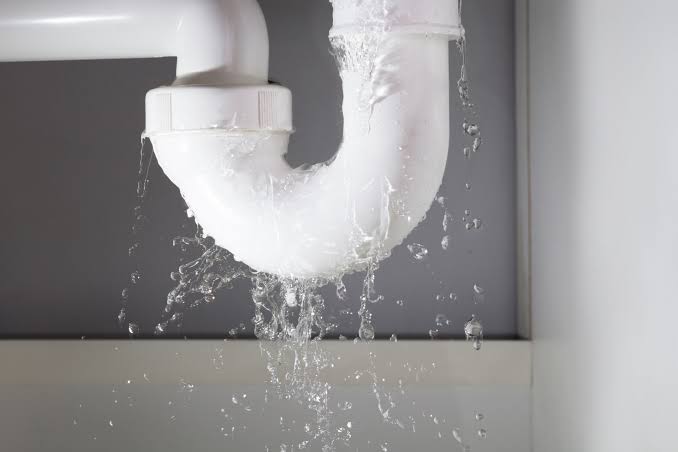
Hidden leaks can begin as a small drip or a slow seep, yet they can still affect drywall, flooring, cabinets, insulation, and framing if moisture is allowed to linger. For homeowners in Beavercreek and nearby communities such as Dayton, Xenia, Fairborn, Kettering, and Centerville, Dean’s Plumbing provides water leak detection information focused on finding and repairing concealed leaks, including difficult slab-related problems. Its emphasis on early warning signs, advanced diagnostic methods, and repair planning makes it a useful local reference when the water source is not obvious. Visible water is not always directly below the leak. Water can travel along pipes, framing, insulation, or the back of drywall before it appears as a ceiling stain or soft baseboard. For example, a discolored spot below a bathroom may come from a supply line or drain connection several feet away from where the stain becomes visible.
Why Small Water Leaks Deserve Fast Attention
A leak does not need to flood a room to create a problem. Repeated moisture can weaken materials, encourage musty odors, damage finishes, and create conditions where mold may grow. It can also waste water for weeks before a homeowner notices a change. The EPA’s home maintenance guidance recommends comparing water bills and checking the meter when no water is being used, since unexplained water use can indicate a household leak.
Common Signs of a Hidden Leak
- A water bill rises even though household routines have not changed.
- The water meter continues moving when fixtures and appliances are off.
- Walls, closets, cabinets, or floors develop a musty smell.
- Brown or yellow stains spread across a ceiling or wall.
- Paint peels, drywall bubbles, flooring warps, or baseboards feel soft.
- You hear dripping, hissing, or water running when no fixture is in use.
- Water pressure drops at several fixtures simultaneously.
- Outdoor soil stays wet, grass becomes unusually green in one area, or water collects near the foundation.
Where Leaks Often Begin
- Under-sink connections: Supply hoses, shutoff valves, drain fittings, and faucet connections can loosen or wear over time.
- Toilets: A worn flapper may allow water to run into the bowl, while a failed seal near the base can damage the surrounding floor.
- Water heaters: Inspect the tank base, drain valve, relief valve, and any visible pipe connections for signs of moisture or corrosion.
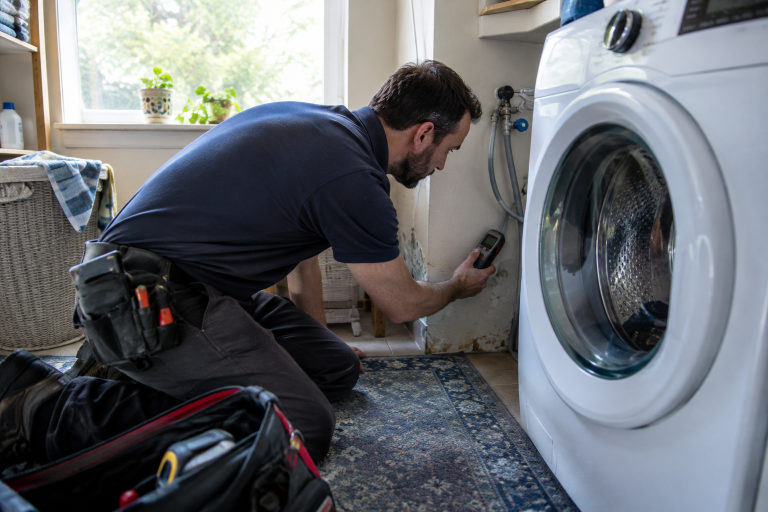
- Washing machines: Aging hoses and loose connections can leak behind the appliance, where damage may remain hidden.
- Outdoor faucets: Freeze damage or a cracked fitting can allow water into an exterior wall.
- Buried or slab plumbing: Pressure loss, damp areas, warm flooring near hot-water lines, or a moving meter can indicate an invisible leak.
A Simple Water Meter Test Homeowners Can Try
- Turn off faucets, showers, washing machines, dishwashers, ice makers, and irrigation systems.
- Record the water meter reading.
- Wait at least two hours without using water.
- Check the meter again.
- If the reading changed, arrange a closer inspection.
This test can indicate water loss, but it cannot identify the exact location. Avoid testing while an irrigation controller, water softener, or other automatic system may be running.
What to Do When a Leak Is Active
- Close the nearest fixture shutoff valve if it is safe and accessible.
- Turn off the main water supply if the leak continues.
- Keep water away from outlets, appliances, and electrical panels. Shut off power only if it can be done safely.
- Move furniture, boxes, and valuables away from the wet area.
- Use towels or containers to limit the spread of water, and take photos for insurance records.
- Seek professional help when the source is hidden, the flow is heavy, or the main shutoff does not stop the water.
Why Guessing the Source Can Make Repairs Harder
Cutting into a wall or floor before confirming the source can create unnecessary repairs without solving the problem. A dry surface does not prove that the cavity behind it is dry, and repeated painting or patching may conceal a stain while the pipe continues leaking. The most reliable approach is to locate the source first, then repair the plumbing and address any affected materials.
Tools Used to Locate Difficult Leaks
Plumbing professionals may use different methods depending on the pipe material, layout, and suspected leak location. Common options include acoustic equipment that detects pressurized water escaping, thermal imaging that reveals temperature differences, moisture meters for building materials, pressure testing of supply lines, and video inspection of accessible piping. Locating tools can also help narrow the area of an underground or concrete-covered line before repair access is created.
Smart Leak Sensors
Basic leak sensors sit on the floor and alert you when water reaches the device. Whole-home systems may also monitor flow patterns, send smartphone notifications, or work with a connected shutoff valve. Recent connected-water products have highlighted alerts, monitoring, and automatic shutoff options as part of modern home protection, as shown in app-connected leak detection systems introduced for homes in 2026. Place sensors near water heaters, washing machines, toilets, under-sink cabinets, sump pumps, and utility rooms. They can provide an early warning, but they do not replace visual inspections or automatically pinpoint a pipe leak behind a wall.
When to Handle It Yourself, and When to Call
A homeowner may be able to replace a toilet flapper, tighten a loose connection by hand, replace leak-sensor batteries, clean up a small spill, or change a faucet aerator. Stop and seek help if a connection is corroded, water is spraying, the leak is behind a wall or ceiling, or the repair requires cutting pipe. Call a plumbing professional promptly if water enters through a ceiling, wall, or floor; several fixtures have low pressure; the meter moves while the home is idle; mold or soft flooring is present; the main valve will not shut off; or water is near electrical equipment.
Questions Homeowners Often Ask
Can a small leak cause major damage?
Yes. Small amounts of repeated moisture can gradually affect building materials and finishes, especially when the leak is concealed.
Can a water bill reveal a hidden leak?
An unexplained increase can be a useful warning sign, although seasonal irrigation, guests, and changed routines can also affect usage.
Will finding the leak require opening a wall or floor?
Diagnostic tools may reduce unnecessary demolition, but access may still be required to complete a safe repair.
Final Home Leak Check
- Look under sinks and around toilets.
- Inspect water heater connections and washing machine hoses.
- Watch for stains, odors, warped materials, and soft flooring.
- Review unusual water bills and test the meter when no water is in use.
- Know where the main shutoff valve is located.
- Use leak sensors near high-risk fixtures.
Hidden water leaks rarely become simpler with time. A moving meter, a strange odor, a soft floor, a spreading stain, or an unexpected bill can provide the early warning needed to limit damage and protect the home.
Conclusion
Protecting a home from hidden water leaks starts with recognizing small warning signs before they develop into more extensive damage. Homeowners can regularly inspect plumbing connections, monitor water bills, test the meter when the household is not using water, and install leak sensors near vulnerable fixtures. However, recurring moisture, unexplained pressure changes, and suspected leaks behind walls or beneath concrete require more than guesswork. Professional diagnostic tools can help pinpoint the source and guide an appropriate repair while minimizing unnecessary disruption. For homeowners in Beavercreek and nearby Dayton-area communities, Dean’s Plumbing offers water leak detection services and information for addressing concealed plumbing problems, including difficult slab-related leaks. With early attention and a clear repair plan, homeowners can better protect their property, limit water waste, and prevent minor plumbing concerns from becoming larger maintenance problems.
