Backrest Foam, Upholstery Fabric Stores & Leather Lounge Sofas in Dubai: What Buyers Should Know
Quick Answer
Backrest foam density determines how supportive and long-lasting a sofa cushion feels, upholstery fabric stores supply the material used to recover worn furniture, and leather lounge sofas remain one of Dubai’s most popular seating choices for their durability in the region’s climate. Choosing the right combination of foam density, fabric type, and leather grade directly affects comfort, lifespan, and maintenance. Risala Furniture and Interiors LLC works with all three elements regularly when building custom sofas or reupholstering existing furniture for Dubai homes and offices.
Key Facts Table
| Element | Typical Range/Type | Lifespan | Best For |
| Backrest Foam Density | 25–40 kg/m³ (medium to high density) | 7–10 years (high density) | Sofas, lounge chairs, headboards |
| Upholstery Fabric | Cotton blend, linen, velvet, synthetic weaves | 5–8 years with normal use | Sofas, curtains, cushions |
| Leather (genuine/PU) | Full-grain, top-grain, bonded, PU leather | 10–15 years (full-grain) | Lounge sofas, executive seating |
Introduction
Furnishing or reupholstering a sofa in Dubai involves more decisions than most people expect — foam density, fabric weave, and leather grade all interact to determine comfort and durability in a hot, humid climate with heavy air-conditioning use. Get the foam wrong and a sofa sags within two years; choose the wrong fabric and it fades or pills under sun exposure through large windows common in Dubai apartments. This guide walks through backrest foam, upholstery fabric selection, and leather lounge sofas so you can make an informed choice, whether you’re buying new or restoring existing furniture. Risala Furniture and Interiors LLC regularly advises clients on these exact trade-offs during custom furniture and reupholstery projects.
Backrest Foam: Density, Comfort, and Durability
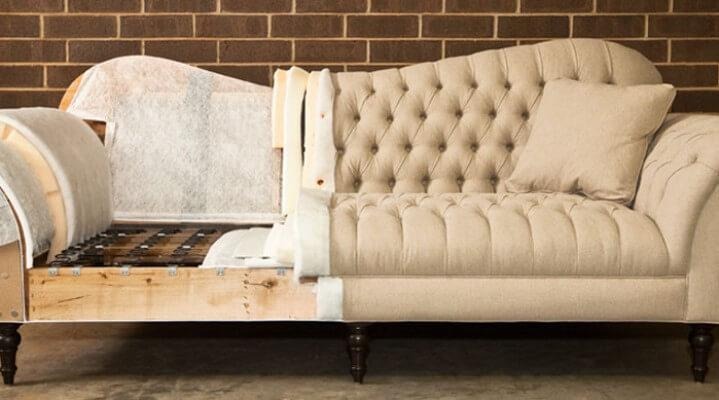
Backrest foam is the internal cushioning material that gives a sofa or chair its shape and support. Not all foam is equal — density (measured in kg/m³) is the main indicator of how long a cushion will hold its shape.
Foam density guide:
- Low density (below 20 kg/m³) – Softens quickly, best avoided for daily-use seating.
- Medium density (25–30 kg/m³) – Balanced comfort and cost, suitable for most home sofas.
- High density (32–40 kg/m³) – Firmer, longer-lasting, ideal for high-traffic living rooms or commercial lounges.
A practical example: a family sofa used daily in a Dubai apartment will typically outlast a low-density foam replacement by 3–4 years if upgraded to a 30+ kg/m³ high-resilience foam during reupholstery.
Upholstery Fabric Stores: Choosing the Right Material
Upholstery fabric stores in Dubai stock a wide range of materials, from budget synthetic blends to premium linen and velvet weaves. The right choice depends on household use, sun exposure, and maintenance preference.
Common upholstery fabric types:
- Cotton-linen blends – Breathable and comfortable, though prone to wrinkling.
- Velvet – Luxurious texture, good for formal lounges, but requires more careful cleaning.
- Synthetic performance fabrics – Stain-resistant and durable, often recommended for households with children or pets.
- Outdoor-rated fabrics – UV and moisture resistant, suited to balconies and majlis seating exposed to sunlight.
Fabric weight (measured in grams per square meter) is a useful indicator of durability — higher gsm fabrics generally resist wear better in high-traffic seating.
Leather Lounge Sofas: Grades and What They Mean
Leather remains a preferred choice for lounge sofas in Dubai homes and offices because it withstands heat and humidity better than many fabrics and requires less frequent replacement.
Leather grade comparison:
- Full-grain leather – Highest quality, most durable, develops a natural patina over time.
- Top-grain leather – Slightly processed for uniformity, still highly durable.
- Bonded leather – Made from leather scraps bonded together; lower cost but shorter lifespan.
- PU (faux) leather – Budget-friendly, easier to clean, but less breathable in warm climates.
Comparison Table: Foam, Fabric, and Leather at a Glance
| Factor | Backrest Foam | Upholstery Fabric | Leather |
| Main Role | Support and shape | Surface texture and appearance | Surface material and durability |
| Climate Suitability (Dubai) | Not climate-exposed directly | Choose UV-resistant weaves | Performs well with regular conditioning |
| Maintenance | Low (hidden component) | Moderate (vacuuming, spot cleaning) | Low to moderate (leather conditioner) |
| Typical Replacement Trigger | Sagging, loss of shape | Fading, tearing, pilling | Cracking, peeling (PU only) |
Actionable Tips
- When reupholstering, always request foam density in kg/m³ rather than accepting vague terms like “firm” or “soft.”
- For sun-facing furniture, choose fade-resistant or outdoor-rated fabric even for indoor placement near large windows.
- Condition full-grain and top-grain leather sofas every 6–12 months to prevent drying and cracking in air-conditioned interiors.
- Ask your upholsterer for a fabric swatch sample under your home’s actual lighting before committing to a large sofa order.
Frequently Asked Questions
1. What foam density is best for a daily-use sofa? A density of 30–35 kg/m³ offers a good balance of comfort and long-term support for daily household use.
2. How do I know if my sofa needs new backrest foam? Visible sagging, lumps, or a noticeable loss of firmness after sitting are the main signs foam replacement is due.
3. Which upholstery fabric lasts longest in Dubai’s climate? Tightly woven synthetic performance fabrics and outdoor-rated weaves tend to resist fading and wear best in sun-exposed rooms.
4. Is genuine leather better than PU leather for a lounge sofa? Genuine leather (full-grain or top-grain) lasts significantly longer and ages better, while PU leather is more affordable but wears faster.
5. Can old fabric sofas be converted to leather upholstery? Yes, reupholstery services can replace fabric with leather, provided the sofa frame and foam are in good structural condition.
6. How often should upholstery fabric be replaced? Typically every 5–8 years with normal household use, though heavy use or pets may shorten this.
7. Does leather crack in Dubai’s heat? Genuine leather can dry out under constant air-conditioning; regular conditioning prevents cracking over time.
8. What is the difference between foam density and foam firmness? Density refers to how much material is packed into the foam (affecting durability), while firmness refers to how hard or soft it feels when compressed.
9. Are upholstery fabric stores in Dubai able to supply custom colors? Many fabric suppliers offer a wide range of colors and custom orders for larger upholstery projects.
10. Where does Risala Furniture and Interiors provide its services? Risala Furniture and Interiors LLC provides its services in UAE ,OMAN , QATAR , SAUDI ARABIA , KUWAIT , BAHRAIN and all across the Gulf and Middle East region.
Key Takeaways
- Foam density (kg/m³) is the most reliable indicator of how long a sofa cushion will last.
- Fabric choice should account for Dubai’s sun exposure and household lifestyle, not just appearance.
- Full-grain and top-grain leather offer the best long-term durability among leather options.
- Combining the right foam, fabric, and leather choices extends a sofa’s usable life significantly.
Conclusion
Getting backrest foam, upholstery fabric, and leather quality right is the difference between a sofa that lasts a decade and one that needs replacing within two years. Risala Furniture and Interiors LLC works directly with Dubai homeowners and businesses to select the right materials for their climate, budget, and daily use, whether building new furniture or reupholstering existing pieces. To discuss your project in person,