
How Can New Restaurants Create a Strong Brand Identity From Day One?
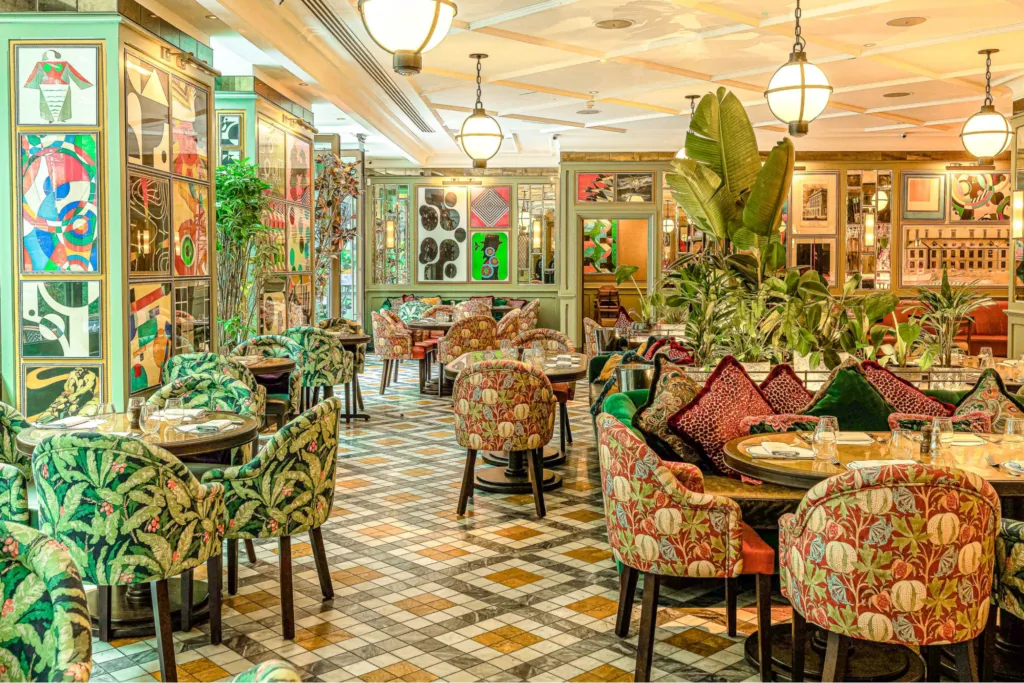
Opening a restaurant takes more than creating a good menu and finding the right location. New restaurants also need a clear identity that helps customers recognize, remember, and understand what makes the business different. From the name and logo to opening hours, menu design, signage, and online listings, every detail shapes how people see the restaurant. Building these elements around one clear idea from day one creates a brand that feels consistent and trustworthy instead of rushed or disconnected.
What Does Restaurant Brand Identity Mean?
Restaurant brand identity is the collection of visual, verbal, and experiential elements that make a restaurant recognizable. It includes obvious features such as the restaurant’s name, logo, colors, typography, and menu design. However, it also covers the tone used on social media, the atmosphere inside the restaurant, staff communication, packaging, signage, and the information customers find online.
Brand identity is different from a logo alone. A logo acts as a recognizable visual symbol, while the brand identity provides the larger system around it. For example, a neighborhood breakfast cafe might use warm colors, friendly language, simple menu descriptions, and comfortable interiors. A fine-dining restaurant would probably make very different choices.
Definition: Restaurant brand identity is the consistent combination of visuals, language, values, and customer experiences that determines how people recognize and perceive a restaurant.
A useful identity should answer several basic questions quickly. What type of food does the restaurant serve? Who is it designed for? Is it casual, premium, traditional, modern, family-friendly, or experimental? Why should someone choose it over another nearby option?
Key takeaway: A restaurant’s brand identity is the complete experience customers recognize, not simply its name or logo.
How Should a New Restaurant Define Its Brand Before Opening?
A strong identity begins with positioning. Before choosing colors or asking someone to design logos, restaurant owners should decide exactly what the business represents. Otherwise, visual decisions can become based on personal preferences instead of what will connect with the intended audience.
Start with a simple positioning statement. It does not need to appear in advertising. Instead, it serves as an internal guide. A useful statement identifies the target customer, type of restaurant, main benefit, and important point of difference.
For example, consider two businesses that both sell pizza. One might position itself as a fast, affordable lunch destination for office workers. Another might specialize in wood-fired pizza for relaxed evening dining. They sell similar food, but their branding, operating hours, pricing, photography, signage, and customer communication should look very different.
Restaurant owners can clarify their positioning by answering:
- Who is the primary customer?
- What occasion brings that customer to the restaurant?
- What food, service, or experience makes the business distinctive?
- What price level should customers expect?
- What three words should describe the restaurant?
- What should customers remember after their first visit?
Market research can also prevent branding decisions from relying on assumptions. The U.S. Small Business Administration provides a useful overview of market research and competitive analysis, including ways businesses can examine demand, market size, location, pricing, and competitors.
Key takeaway: Define the audience, dining occasion, value, and point of difference before making visual branding decisions.
How Can Restaurants Create a Logo That Works Everywhere?
A restaurant logo has to perform more jobs than many owners initially expect. It might appear on a large storefront sign one day and a tiny social media profile image the next. Restaurants also use logos on menus, takeaway packaging, receipts, uniforms, delivery listings, websites, loyalty cards, and promotional materials.
Simplicity usually improves flexibility. Detailed illustrations may look impressive at a large size but become difficult to recognize when reduced. Likewise, thin lettering can disappear when printed on receipts or viewed on a phone.
When restaurants design logos, they should test several practical conditions:
- Small size: Is the logo still recognizable as a profile picture or mobile icon?
- Black and white: Does it work without its original colors?
- Storefront use: Can people read it quickly from a reasonable distance?
- Digital use: Does it remain clear on both light and dark backgrounds?
- Packaging: Can it be printed or stamped economically?
- Different layouts: Is there a horizontal version and a compact version?
Originality matters as well. A logo should not be so similar to an established restaurant or food brand that customers confuse the two. Before committing significant money to signs and packaging, owners should research potential trademark conflicts. The U.S. Patent and Trademark Office’s trademark guidance explains the fundamentals of trademarks and why businesses should consider existing marks.
Key takeaway: A restaurant logo should be distinctive, readable, scalable, and practical across signs, menus, packaging, and digital platforms.
Why Should Colors, Fonts, and Photography Follow One Visual System?
Customers often encounter a restaurant several times before visiting. They may first notice its sign, later find its website, check its hours, browse photos, and finally look at the menu. Consistent visual elements help customers understand that every interaction belongs to the same business.
A simple brand system can prevent inconsistency. New restaurants rarely need dozens of colors and typefaces. In many cases, a primary color, one or two supporting colors, and two complementary fonts provide enough flexibility.
Photography deserves similar attention. Bright overhead photographs may suit a quick-service lunch concept, while warm close-up photography may better communicate an intimate dinner experience. Neither approach is universally better. The right choice is the one that supports the restaurant’s positioning.
Create a short visual guide covering:
- Primary and secondary colors
- Headline and body fonts
- Correct logo versions
- Minimum logo size and spacing
- Photography style
- Icon and illustration style
- Examples of incorrect logo or color use
This guide does not need to be complicated. Even a few pages can help owners, employees, printers, photographers, and marketing partners maintain consistency.
Key takeaway: A small, documented visual system makes a restaurant easier to recognize across physical and digital customer touchpoints.
How Do Restaurant Hours and Online Information Affect the Brand?
Brand identity also depends on accuracy. A beautiful visual identity loses value if a guest arrives and discovers that the restaurant is closed despite online information saying otherwise.
Operating hours are part of the customer experience. Restaurants should make hours easy to find and keep them consistent across their website, business profiles, reservation services, social platforms, and other restaurant directories. This becomes especially important when hours change for holidays, private events, seasonal schedules, or special service periods.
Sites that help diners find practical restaurant information, such as EateryHours, demonstrate why customers value clear details before deciding where and when to eat. Hours, location information, contact details, and service availability may seem operational, but customers often experience them as part of the brand.
A simple launch checklist should include verifying:
- Restaurant name and spelling
- Street address
- Phone number
- Regular opening and closing times
- Holiday or seasonal hours
- Website address
- Menu links
- Reservation information, when applicable
- Takeaway or delivery availability
Check these details again whenever the schedule changes.
Key takeaway: Accurate hours and business information strengthen trust because reliable information is part of the restaurant experience.
How Can Menu Design Reinforce a Restaurant’s Identity?
The menu is one of the most important branded materials inside a restaurant. Guests interact with it when they are actively deciding what to buy, so its design should support both the brand and the ordering process.
Start with readability. Font size, spacing, contrast, and clear categories matter more than decorative effects. Item descriptions should also match the restaurant’s voice. A relaxed burger restaurant can use casual language, while an upscale dining room may prefer concise descriptions focused on ingredients and preparation.
Consistency matters between printed and digital menus too. Guests who move from the website to the restaurant should feel that they are dealing with the same business.
Restaurants should also resist adding every possible visual idea to the menu. Too many fonts, colors, illustrations, badges, and photographs can make choices harder to scan. A focused design generally communicates greater confidence.
Key takeaway: Menu design should make ordering easy while using the same visual style and voice customers encounter throughout the restaurant.
How Can Staff Turn Branding Into a Real Guest Experience?
A restaurant cannot build a strong identity through graphics alone. Employees bring the brand to life through service.
Imagine a restaurant presenting itself as friendly and relaxed while staff members use stiff, highly formal scripts. The mismatch can make the concept feel artificial. Likewise, a premium restaurant that promises attentive service cannot support that promise if guests regularly struggle to get assistance.
Restaurants do not need employees to sound identical. Instead, training should explain the desired service principles. Staff should understand the type of experience the restaurant wants to create and have enough freedom to communicate naturally.
Consider defining three to five service behaviors. A family restaurant might prioritize warmth, patience, and quick help for parents. A lunch-focused concept might emphasize speed, order accuracy, and simple communication.
This approach connects internal operations with external branding. Customers begin to experience the brand rather than simply seeing it.
Key takeaway: Staff behavior should support the same brand promise communicated by the restaurant’s visuals, menu, and marketing.
What Should Restaurants Keep Consistent Across Digital Channels?
A restaurant’s digital identity often creates the first impression. Customers may discover the business through search results, maps, social media, online menus, or restaurant information websites long before they see the storefront.
Use the same restaurant name, core logo, colors, description, and contact information wherever possible. Images should also reflect the actual experience. If the restaurant presents itself as a quiet date-night destination, for example, digital photos should not make it look like a bright fast-food outlet.
Owners should create a central document containing approved brand information. This makes future updates easier and reduces errors when new accounts or listings are created.
The document can contain the official restaurant name, short and long descriptions, logo files, colors, contact information, website URL, current hours, social links, and approved photographs.
Key takeaway: Consistent digital information helps customers recognize the restaurant and reduces confusion before a visit.
What Branding Mistakes Should New Restaurants Avoid?
One common mistake is following trends too closely. A fashionable font, color, or illustration style may look appealing today but can quickly make a restaurant look similar to competitors. Trends can provide inspiration, but the concept should determine the identity.
Another mistake is creating branding without considering practical applications. Owners sometimes approve a complex logo and discover later that it cannot be reproduced clearly on small packaging or signage. This is why restaurants should design logos with real-world applications in mind from the beginning.
New restaurants should also avoid frequent rebranding. Small improvements are normal, but repeatedly changing logos, colors, names, or messaging makes recognition harder. Build a clear foundation first, test it across customer touchpoints, and change elements only when there is a strong reason.
Key takeaway: Avoid trend-driven decisions, overly complicated visuals, and unnecessary changes that weaken customer recognition.
Step-by-Step Guide: Build a Restaurant Brand Before Launch
Restaurant owners can turn branding into a manageable process by completing tasks in a logical order:
- Define the target customer and dining occasion.
- Write a simple positioning statement.
- Choose a distinctive restaurant name.
- Research competing businesses and possible trademark conflicts.
- Create the logo and supporting visual system.
- Define the restaurant’s writing and communication style.
- Apply the identity to menus, signs, packaging, and uniforms.
- Establish a consistent photography style.
- Publish accurate contact information and operating hours.
- Train staff on the intended customer experience.
- Review every physical and digital touchpoint before opening.
- Gather customer feedback and make measured improvements.
This sequence keeps branding connected to business strategy instead of treating it as decoration added shortly before launch.
Key takeaway: Build the brand from strategy to execution, then test every major customer touchpoint before opening day.
Frequently Asked Questions
What is the most important part of a restaurant brand identity?
A clear positioning strategy comes first. Restaurants need to know who they serve, what experience they offer, and what makes them different before choosing visual elements.
Key takeaway: Strong restaurant branding starts with clear positioning, not graphics.
Does a new restaurant need professional brand guidelines?
Not necessarily a large manual. However, even a short guide covering logos, colors, fonts, photography, and tone can help keep menus, signs, websites, and marketing consistent.
Key takeaway: Simple written brand guidelines can prevent costly inconsistencies.
How many colors should a restaurant brand use?
There is no universal number, but a focused palette is usually easier to manage. One main color with a few supporting colors often provides enough flexibility for print and digital use.
Key takeaway: Use a focused color palette that is easy to reproduce consistently.
Why are restaurant opening hours part of branding?
Hours affect customer expectations. Incorrect or outdated information can cause frustration, while clear and consistent hours make the business feel dependable.
Key takeaway: Accurate restaurant hours support customer trust and a reliable brand image.
When should a restaurant update its branding?
Update branding when the concept, audience, positioning, or customer experience has meaningfully changed, or when existing branding creates practical problems. Avoid redesigning simply because a short-term visual trend has appeared.
Key takeaway: Rebrand for a clear business reason, not simply to follow trends.
How Can Restaurants Build a Brand Customers Remember?
A strong restaurant identity starts with a clear idea and becomes stronger through repetition. The restaurant name, visual design, menu, service, opening hours, online information, and physical environment should tell customers the same story. Consistency makes the business easier to recognize and helps set accurate expectations.
New restaurants should therefore think beyond launch-day graphics. They should create a practical brand system that employees can follow and customers can experience across every interaction. When positioning, design, operations, and service work together, the brand becomes more than an image. It becomes a recognizable promise about what guests can expect every time they visit.
Key takeaway: The strongest restaurant brands connect strategy, visual identity, accurate information, and guest experience into one consistent promise customers can recognize and remember.